Elon Musk's SpaceX moves to become a publicly traded company
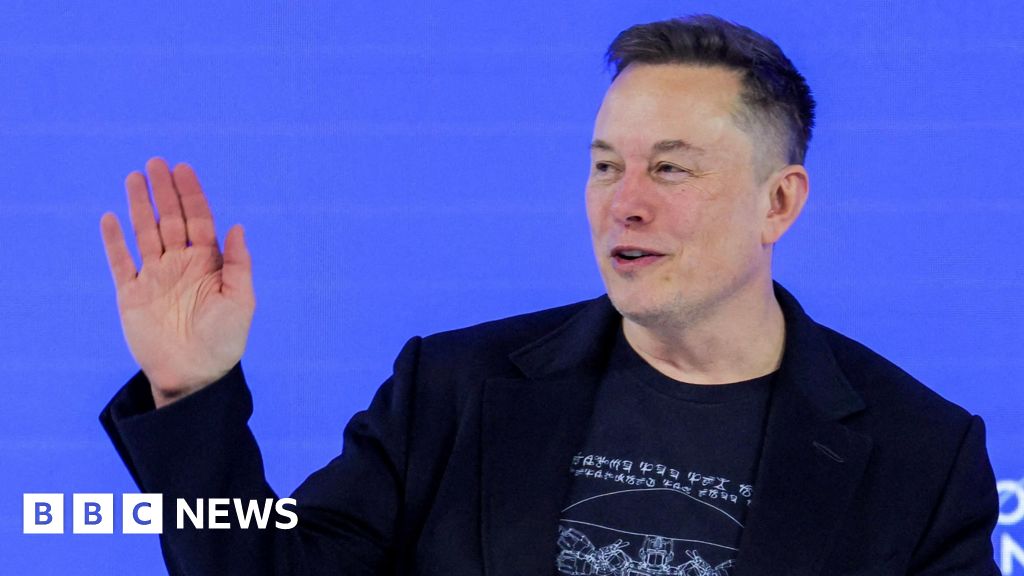
Foto: BBC Tech
A valuation exceeding one trillion dollars will make the SpaceX stock market debut one of the most momentous events in the history of financial markets. Elon Musk has filed a confidential IPO application with the U.S. SEC, targeting an official market entry as early as June. The operation aims to raise at least 50 billion dollars in capital to finance the massive costs of infrastructure, energy, and computing power necessary for further expansion. Following its merger with xAI, SpaceX has become the foundation of Musk's technological empire, bridging space exploration with advanced artificial intelligence. For global investors and technology users, this move signifies a consolidation of resources between SpaceX, Tesla, and xAI. Close cooperation between these entities, evident in projects such as Terafab or the integration of the Grok bot into vehicles, will accelerate the development of autonomous robots and orbit-based data centers. Public status will mandate greater financial transparency for the company, but above all, it will provide the funds to realize the vision of Starlink as a global internet provider and the construction of interplanetary infrastructure. Turning SpaceX into a public company signals that the era of private space experiments is giving way to the mass commercial exploitation of orbit, in which AI plays the role of the key operating system.
The global economy is bracing for a financial shock of unprecedented scale. Elon Musk, the richest person on the globe, has taken a decisive step toward taking his space empire public. According to the latest reports, SpaceX has filed a confidential application with the U.S. Securities and Exchange Commission (SEC) to conduct an initial public offering (IPO). This move will not only redefine the space technology sector but could also elevate Musk's wealth to a level that seemed like pure abstraction just a decade ago.
The stock market debut of the Hawthorne giant is tentatively scheduled for June of this year. Although the confidential filing allows the company to withhold the immediate disclosure of detailed financial data, analysts have no doubt about the scale of the undertaking. It is estimated that the value of SpaceX after going public will exceed the $1 trillion barrier (approx. £751 billion). If these forecasts are confirmed, we will witness one of the most significant debuts in the history of capital markets, and Musk himself will become the first trillionaire in history.
Consolidation of the empire under the banner of AI and space technology
Preparations for the IPO did not take place in a vacuum. In recent months, we have observed a strategic tightening of ties between various entities controlled by Musk. A key moment was the acquisition by SpaceX of the artificial intelligence startup xAI. This merger, based on a share swap, caused the internal valuation of SpaceX to rise to a staggering level of $1.25 trillion, making it the most valuable private company in the world even before its official market entry.
Read also
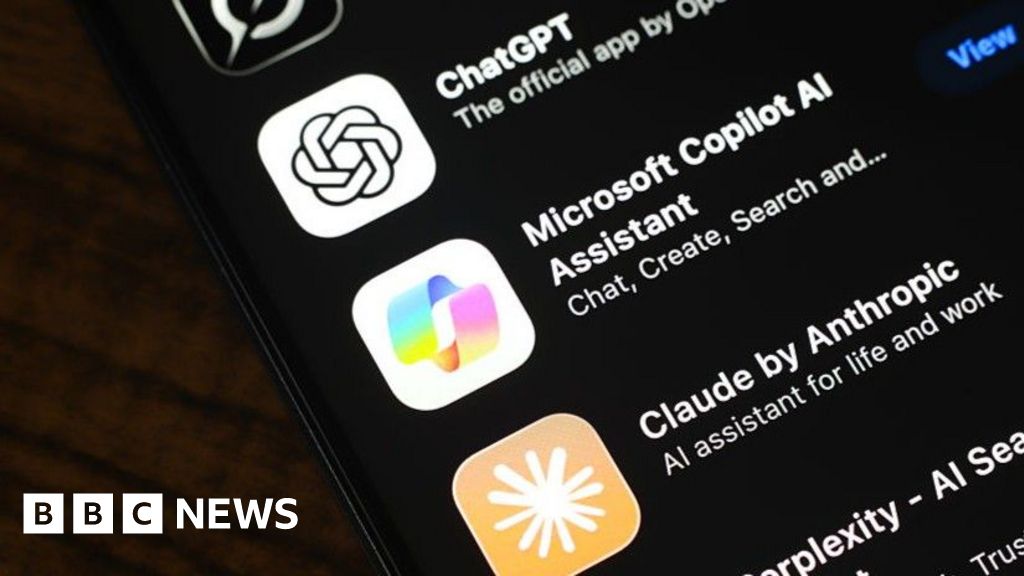


The integration of xAI into the structures of SpaceX is a signal to investors that Musk aims to optimize costs and the free exchange of resources between his ventures. Emily Zheng, a senior analyst at Pitchbook, points out that such a move allows for the consolidation of infrastructure spending, which is essential at the current pace of development. SpaceX requires massive investments in computing power and energy, and going public is expected to bring a cash injection of $50 billion or more.
The Musk Ecosystem: From Grok to Terafab
Musk's vision extends far beyond simply sending payloads into orbit. His companies are creating an increasingly interconnected ecosystem where technologies overlap on many levels. Tesla, the electric car manufacturer, has already invested over $2 billion in xAI, and the Grok chatbot has become an integral part of the AI assistant in the brand's vehicles. Musk also announced that production at Tesla will shift toward robotics, utilizing algorithms developed by the xAI team.
- SpaceX: Construction of reusable rockets, operation of the Starlink constellation, and plans for the colonization of Mars.
- xAI: Development of advanced language models, such as Grok, and control systems for robots.
- Tesla: Implementation of AI in transportation and mass production.
- Terafab: A new, ambitious Musk project focused on mass chip production, in which all three of the above entities are to be partners.
The next step in this technological symbiosis is Terafab — a giant undertaking in the semiconductor industry. Musk believes that the cooperation of Tesla, xAI, and SpaceX will allow for the achievement of goals previously considered impossible. Vertical integration is intended to ensure independence from external suppliers and accelerate the implementation of the most daring projects, including the construction of AI data centers located directly in space.
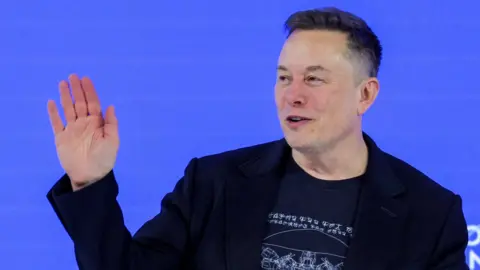
Challenges on the road to a trillion-dollar valuation
Despite the financial optimism, SpaceX's path to the stock market is not free from controversy and technical challenges. The company currently operates mainly based on contracts with NASA (established back in 2006) and commercial Starlink services, providing satellite internet worldwide. However, Musk's ambitions, such as creating a self-sufficient city on Mars, draw skepticism from many experts who consider these goals unrealistic in the foreseeable future.
"Tesla, xAI, and SpaceX have done incredible things that people thought could not be done," Elon Musk emphasized during the March presentation of the Terafab project.
Additionally, Musk's companies face image and legal issues. xAI has become the subject of a lawsuit from teenagers regarding Grok generating inappropriate images, and SpaceX's plans to launch a million satellites raise concerns about the safety of Earth's orbit. These factors will be under investor scrutiny during the upcoming "roadshows" — a series of meetings where SpaceX management will persuade major funds to purchase shares.
A new chapter in the technological arms race
The decision to take SpaceX public is more than just a financial move — it is a declaration of dominance in a new industrial era where the boundary between space and artificial intelligence is blurring. With capital from the stock market, Musk will gain almost unlimited possibilities for financing the infrastructure necessary to train future generations of AI and expand his satellite fleet.
All indications are that the June IPO will become the catalyst that finally transforms SpaceX from a pioneering aerospace company into the foundation of a global (and extraterrestrial) technological conglomerate. The scale of the planned share issuance suggests that the market believes in Musk's vision, even if it carries enormous risk. In the coming years, the key indicator of success will no longer be just the number of successful Falcon rocket landings, but the ability to monetize data and computing power flowing from orbit directly into the Earth's economy.