Elon Musk's X advertising boycott lawsuit dismissed by US judge
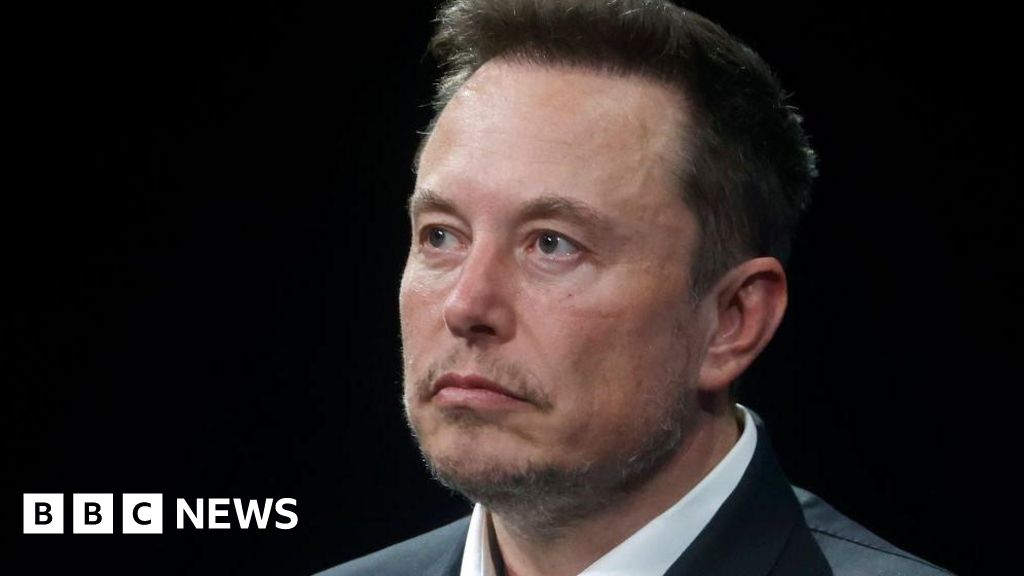
Foto: BBC Tech
Billions of dollars in lost advertising revenue were not enough for Elon Musk to win his legal battle against global brands. U.S. Judge Jane Boyle dismissed platform X's lawsuit against the World Federation of Advertisers (WFA) and giants such as Unilever, Mars, and Orsted. The court ruled that Musk's company failed to prove a violation of federal antitrust laws, and that the advertisers' actions within the Global Alliance for Responsible Media (GARM) initiative did not constitute an illegal conspiracy. The dispute escalated following the 2022 takeover of Twitter, when changes to content moderation policies led to a sharp exodus of capital—advertising revenues dropped by more than half at the time. Musk declared "war," claiming that corporations were acting against their own economic interests to intentionally harm the platform. However, Judge Boyle argued that advertisers have the right to independently decide where to allocate their budgets, and that brand safety standards are not synonymous with restricting fair competition. For users and creators globally, this means maintaining the status quo: brands retain full autonomy in avoiding platforms they deem a reputational risk. The ruling sends a clear signal that antitrust law cannot be used as a tool to force companies to fund social media services against their marketing strategies.
In the world of technology and social media, where user attention is the most valuable currency, the clash of giants over advertising budgets rarely ends in court with such an unequivocal verdict. Elon Musk, owner of the X platform, has just suffered a severe legal defeat in his crusade against global brands. U.S. Federal Judge Jane Boyle dismissed the lawsuit in which X Corp accused a group of advertisers of an illegal boycott of the platform, finding the billionaire's arguments insufficient under current antitrust law.
The case, which began in a Texas court in 2024, was an attempt to forcibly recover advertising revenue that plummeted following Musk's takeover of Twitter in 2022. The lawsuit targeted giants such as Unilever, Mars, renewable energy company Orsted, and the World Federation of Advertisers (WFA). Musk accused them of a conspiracy aimed at depriving his platform of "billions of dollars" in revenue. However, Judge Boyle took the position that the company failed to demonstrate any real harm that would qualify as a violation of federal competition laws.
Safety Standards vs. Commercial Freedom
The foundation of X Corp's accusation was the thesis that the defendant companies acted against their own economic interests by conspiring against the platform through the application of standards created by the Global Alliance for Responsible Media (Garm) initiative. This project, led by the WFA, aims to help the industry limit the monetization of illegal or harmful content in digital media. According to Musk, following these guidelines was a form of unfair withholding of spending, which was meant to strike at the foundations of the free market.
Read also



This argument, however, did not convince the court. In the justification of the verdict, Judge Boyle emphasized that Garm did not act as a commercial intermediary—it did not buy advertising space from X for resale, nor did it instruct its members not to buy it directly from the platform. The defendants, including the CVS chain, consistently maintained that their decisions about where and when to spend money on promotion were sovereign business decisions, not the result of a top-down conspiracy. The court found that the nature of the alleged agreement did not bear the hallmarks of an antitrust violation and dismissed the case with prejudice.
The Landscape After the Battle for Billions of Dollars
To understand Musk's determination, one must look at the hard financial data. In just one year since the acquisition of the platform for $44 billion, advertising revenue fell by more than half. This was a direct result of controversial changes introduced by the new owner, such as restoring accounts to previously banned figures or loosening content moderation restrictions. For many global brands, the X environment became too risky for their image, prompting them to "pause" or completely withdraw from campaigns.
- 2022: Acquisition of Twitter by Elon Musk and the beginning of radical changes in moderation.
- 2023: Advertising revenue decline of over 50% year-on-year.
- 2024: Filing of the lawsuit against Unilever, Mars, Orsted, and WFA in Texas.
- August 2024: Official dismissal of the lawsuit by Judge Jane Boyle.
Musk, known for his uncompromising communication style, promised "war" at the time of filing the lawsuit, claiming that he had tried to be "nice" for two years and received only empty words. However, the legal reality proved brutal for the billionaire. The court confirmed the right of brands to decide in what environment they want to present their products, which in the advertising industry is considered a fundamental right to protect brand safety.
The Limits of Tech Giants' Influence
This ruling is a clear signal to the entire Big Tech sector: social media platforms cannot force advertisers to fund their operations if they do not meet the quality and safety standards required by the market. The attempt to use antitrust law as a tool to compel companies to purchase advertising was deemed groundless. Judge Boyle was firm in her opinion, pointing out that X did not provide evidence that Garm's actions actually restricted competition in a manner prohibited by law.
For the creative and technology industry, this ruling serves as confirmation that initiatives like the Global Alliance for Responsible Media operate within the limits of the law, promoting standards that are beneficial for the hygiene of the digital ecosystem. From X Corp's perspective, this failure means the necessity of finding other ways to convince brands to return to the platform—this time likely through improving product quality and safety, rather than through the courts.
Elon Musk's "war" strategy in this specific case hit a wall of regulations that protect the freedom of choice for consumers and companies. Although X remains a significant player in global discourse, its negotiating position with the largest advertising budgets has been seriously weakened. Companies like Unilever or Mars have proven that their right to decide where they allocate capital is inviolable, as long as there is no actual, proven violation of fair competition rules. In this clash, it was not technology, but the letter of the law and market autonomy that proved decisive.