Microsoft takes up residence next to OpenAI, Oracle at Crusoe's 900 MW Texas datacenter expansion
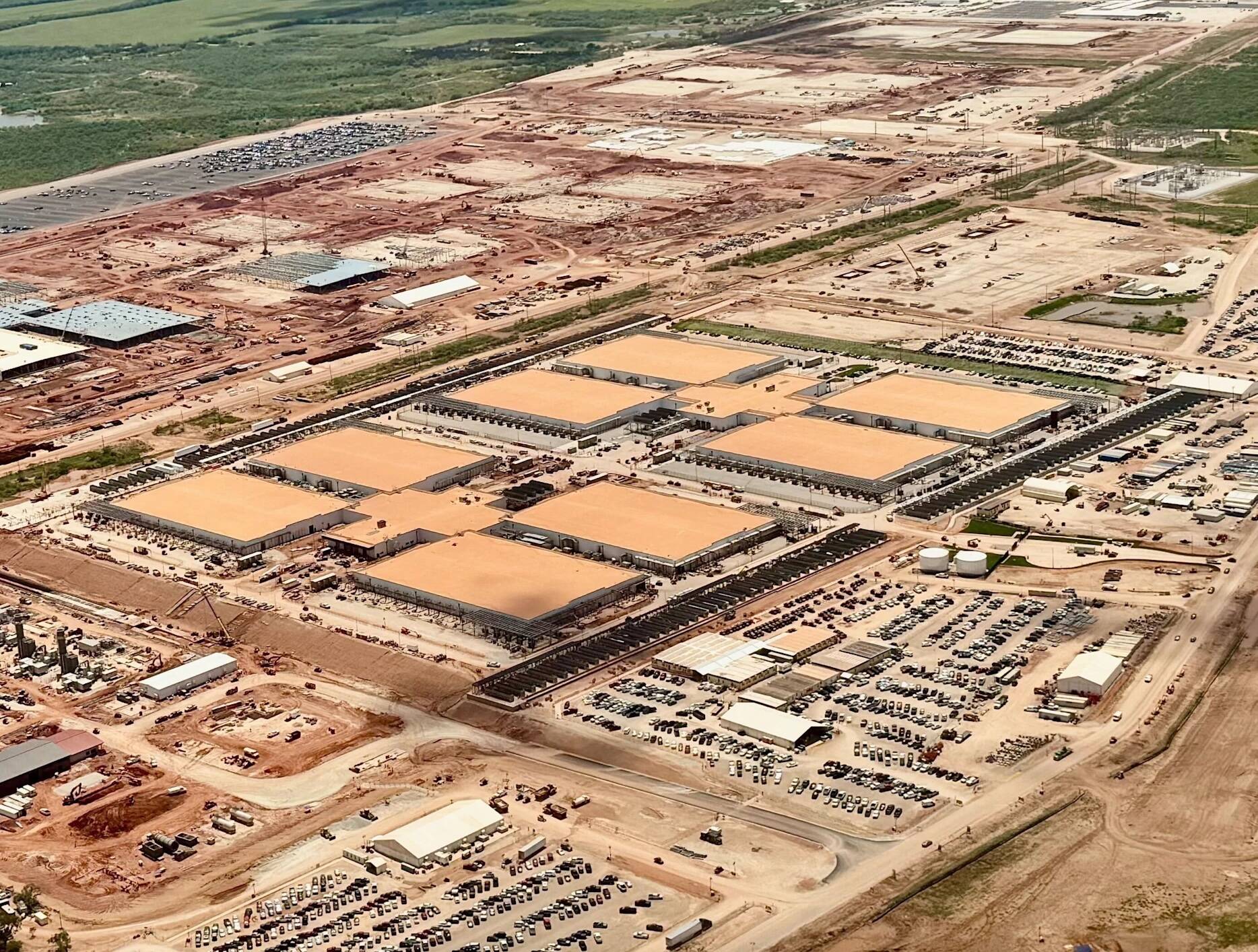
Foto: The Register
Microsoft is set to gain as much as 900 megawatts of additional computing power through the expansion of Crusoe's datacenter campus in Abilene, Texas. The Redmond giant will occupy a site originally associated with Meta, becoming a direct neighbor to Oracle and OpenAI. This strategic location is part of a massive 2.1-gigawatt project that is emerging as one of the most critical hubs on the global artificial intelligence infrastructure map. The investment stands out for its unique approach to power supply—Crusoe plans to build its own on-site power plant, enabling energy delivery via a behind-the-meter model that bypasses public transmission grid limitations. Each of the two new data halls is designed to support a 336 MW IT load, facilitating the training of the most demanding next-generation language models. For end users, this primarily translates to a drastic acceleration in the development of AI services and greater stability for tools such as Copilot and ChatGPT, which require immense cloud resources. Although the facility is currently in the site preparation stage, its launch—planned for mid-2025—will set a new standard for the pace of scaling digital infrastructure. The energy self-sufficiency of such giants is becoming the foundation without which the ongoing arms race in the field of AGI would be physically impossible.
The arms race in the artificial intelligence infrastructure sector is gaining momentum, and Texas is becoming its epicenter. The company **Crusoe**, which began its journey in cryptocurrency mining, has just announced a massive expansion of its campus in Abilene. The **900-megawatt** project is set to become the foundation for the AI ambitions of the Redmond giant – **Microsoft**. This investment not only scales the physical presence of technology in the region but, above all, introduces a new quality in energy management thanks to its own power sources.
The new facility will be built in the immediate vicinity of the 1.2-gigawatt complex already under construction, which **Crusoe** is developing for **Oracle** and **OpenAI** as part of the high-profile **Stargate** initiative. It is worth recalling that the **Stargate** project, announced early last year, is valued at an astronomical 500 billion dollars. Although it was originally speculated that Meta would take over the additional capacity in Abilene, **Microsoft** ultimately secured its position at this strategic point on the Texas map.
Power architecture and two massive data halls
The expansion of the Abilene campus is an industrial-scale undertaking that goes beyond standard definitions of data centers. The new part of the investment will consist of two powerful data halls. Each has been designed to handle **336 megawatts** of critical IT load. These parameters allow for the hosting of the most demanding computing clusters, essential for training next-generation language models and supporting global AI services.
Read also

However, the key element of the project is the integration with its own on-site power plant. The facility is intended to provide **900 MW** of energy in a "behind-the-meter" model, which means a direct connection between the power source and the IT infrastructure, bypassing traditional transmission grids to the extent possible. Such a strategy allows for bypassing energy infrastructure bottlenecks, which in many regions of the world are becoming the main barrier to the development of artificial intelligence.
Chase Lochmiller, CEO of **Crusoe**, emphasizes that the goal is to build an "industrial foundation for American artificial intelligence" while maintaining a speed of execution that the industry has not seen before. Although the exact power generation technology has not been disclosed, the short construction schedule suggests the use of gas generators or fuel cells, which is typical for projects requiring the rapid deployment of high power.
Shuffles at the top and the fight for resources
The history of this specific location in Abilene is fascinating from the perspective of market dynamics. According to available information, **Oracle** and **OpenAI** originally planned to lease the additional power, but negotiations and financial processes ended in failure. Meta attempted to step into this gap, but ultimately **Microsoft** finalized the deal. This decision is particularly interesting as the relationship between **Microsoft** and **OpenAI** has evolved recently, becoming more complex.
- Total planned capacity of the Abilene site after expansion: **2.1 gigawatts**.
- Capacity of the new section dedicated to Microsoft: **900 megawatts**.
- Critical IT load for each of the two new halls: **336 megawatts**.
- Work status: Site clearing and construction site preparation phase.
However, it is worth maintaining a degree of skepticism towards the figures provided. Currently, out of the planned gigawatt in the first stages of the **Stargate** projects, only about **200 megawatts** have actually been launched. **Crusoe** assumes that the remainder of the first gigawatt will be commissioned during 2026. In turn, the campus that is to become the home for **Microsoft** AI models and services is expected to reach operational readiness by the middle of next year.
Energy independence as a new standard
The investment in Abilene demonstrates a clear trend: the biggest technology players are ceasing to rely exclusively on public energy grids. The "on-site power generation" model is becoming a necessity in the face of growing energy demand, which traditional suppliers are often unable to meet in the short term. For **Microsoft**, having dedicated infrastructure right next to **OpenAI** and **Oracle** is a strategic move, allowing for the optimization of latency and operational costs within massive computing ecosystems.
It can be predicted that the success or failure of this model in Texas will define how data centers are built in the coming decade. If **Crusoe** manages to deliver the promised power within the assumed timeframe, it will prove that companies originating from a niche sector (like cryptocurrency mining) can become key partners for tech giants. **Microsoft**'s dominance in this region, combined with the proximity of **OpenAI** resources, creates a powerful cluster that could dominate the AI development landscape for years.
More from Industry
Broadcom agrees to expanded chip deals with Google, Anthropic
OpenAI asks California, Delaware to investigate Musk's 'anti-competitive behavior' ahead of April trial
Hope for a U.S.-Iran deal, Apple's anniversary, OpenAI's podcast deal and more in Morning Squawk
AI data center boom ‘stress tests’ insurers as private capital floods in
Related Articles

The Ridiculously Nerdy Intel Bet That Could Rake in Billions
Apr 6
Researchers didn’t want to glamorize cybercrims. So they roasted them
Apr 5
AI agents promise to 'run the business,' but who is liable if things go wrong?
Apr 5