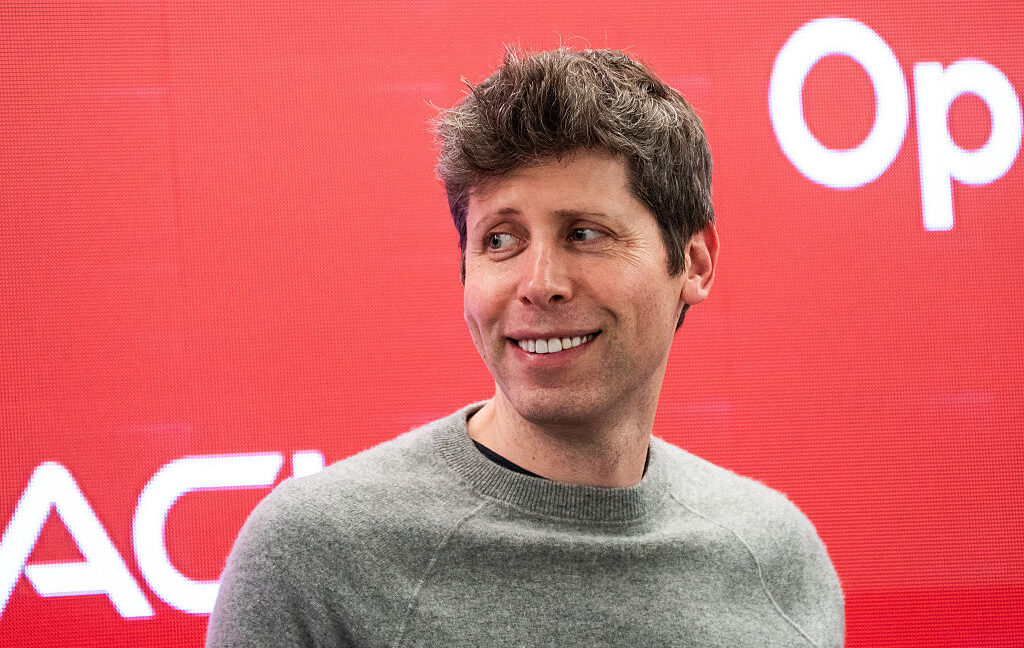
Can you monitor a situation without monitors? The Polymarket sports bar tried

Foto: The Verge AI
A malfunction of a giant monitor wall led to the early closure of "Situation Room"—Polymarket's pop-up bar in Washington, D.C.—at 9:00 PM on its opening day, March 20, 2026. Although the venue was intended to be a hub for real-time data tracking, the technical fiasco forced organizers to apologize to guests with free champagne. This PR stumble for the prediction market giant coincided with breakthrough events in American tech policy: the White House's announcement of a framework for a national AI bill and the formation of the Alliance for a Better Future (ABF). The new coalition of conservative activists, emerging from Project 2025 circles, is openly challenging Silicon Valley powerhouses such as Andreessen Horowitz (a16z) and OpenAI. This conflict exposes a deep rift on the right: on one side of the barricade stand techno-optimists backed by Venture Capital funds; on the other, skeptics pushing for AI regulation in the name of family and Christian values. For global users and creators, this marks the end of the era of unfettered AI development without political oversight. The battle over the shape of regulations is shifting from a technical level to an ideological one, which will directly impact which AI tools enter the market and how restrictive ethical and safety audits they will face. This dispute will define technology governance standards that are likely to be adopted by other jurisdictions.
Washington is often the stage for spectacular successes and equally high-profile failures, but the opening of the Situation Room pop-up bar by Polymarket in March 2026 will go down in history as a technical and public relations disaster. The project, intended to be a hub for real-time reality monitoring, failed at the most basic level: non-functioning screens. While the White House was announcing a breakthrough framework for a national artificial intelligence bill, the world's most popular prediction market platform couldn't manage to get a wall of televisions running in Mount Vernon Triangle.
Failure at the Heart of Operations and Free Champagne
The idea was ambitious—creating a physical space where young professionals could track trends and markets on a giant wall of screens. The reality proved brutal. On Friday, March 20, 2026, the venue had to close as early as 9:00 PM because the key design element—the monitor system—simply refused to cooperate. The glitch dragged on for subsequent days, and organizers, attempting to salvage the situation, treated guests to free champagne as an apology for the lack of the promised "situation monitoring."
On-site, instead of a futuristic command center, guests found the atmosphere of a typical networking event. Witnesses describe the gathering as a collection of people with corporate badges and backpacks, not unlike standard Washington happy hours. The only functioning technological elements were: a large illuminated globe and a single screen built into a long table, resembling a shuffleboard platform, which participants had to look down upon. Josh Tucker, head of growth at Polymarket, was seen in the outdoor VIP area, though rainy weather effectively discouraged guests from leaving the interior of the venue.
Read also


A New Front in the Battle for AI Regulation
While Polymarket struggled with HDMI cables, a much more serious fracture occurred within the corridors of power. The formation of the Alliance for a Better Future (ABF) is a signal that an open conflict regarding the future of AI is growing within the MAGA coalition. On one side, there is the technological wing supported by Andreessen Horowitz (a16z), and on the other—a new group of conservative activists whose priorities are family values and protecting children from the effects of uncontrolled algorithmic development.
The ABF includes influential figures from right-wing think tanks:
- Michael Toscano from the Institute for Family Studies;
- Brad Littlejohn, program director at American Compass;
- Tim Estes, tech founder and digital safety advocate.

Ideological Clash over the Digital Future
This conflict is not just a dispute over grants, but a deep ideological divide. Janet Kelly, CEO of the Alliance for a Better Future, sharply dismissed accusations of being funded by external AI safety lobbyists (like Max Tegmark and his Future of Life Institute). She stated bluntly that her organization cannot be bought by "Big Tech billionaires" and called their opponents "keyboard warriors" who are afraid to look into the eyes of parents worried about their children's safety.
This "red on red violence"—internal Republican infighting—shows that the AI sector has ceased to be a purely technical topic and has become fuel for populist fears regarding jobs and family integrity. Members of the ABF hail from the foundations of conservatism, such as the Heritage Foundation or Project 2025, giving their movement significant weight, even if they officially act in a "private capacity."
Cryptocurrencies and Markets in the Shadow of Legislation
Parallel to the drama in bars and disputes over AI, the cryptocurrency market received a massive blow in the form of new provisions in the Clarity Act. The White House presented compromise language for the bill that hits the business model of many platforms directly. The new regulations aim to:
- Rigorously limit profits from stablecoins;
- Prohibit reward programs based on stablecoins.
The events of March 2026 clearly show that the "Wild West" era of AI and crypto technologies is coming to an end. Even if giants like Polymarket can dominate digital betting markets, their collision with physical reality and hard-nosed Washington politics can be painful. The split within conservative elites over AI suggests that the upcoming legislative battle will not be a simple clash of left versus right, but a complex war of interests where control over the most influential technology of the 21st century is at stake. One gets the impression that in Washington today, it is easier to predict an election result on Polymarket than it is to predict whether a wall of monitors will turn on at all.