Elon Musk is about to be a very busy boy!

Cath Virginia / The Verge, Getty Images
The filing of stock market documents by SpaceX on April 1, 2026, suggests that the space giant's market debut could occur as early as June. Elon Musk is entering the most intense period of his career, where the fate of SpaceX intersects with a crisis at Tesla and a legal battle against Sam Altman and OpenAI, scheduled for April 27. This is a critical moment for the technological ecosystem, as Musk's empire faces a massive talent drain and reputational issues. The situation at Tesla is of particular concern to investors. Despite announcements regarding the start of Cybercab production, the project is struggling with the departure of key leaders, and data indicates that Tesla's autonomous driving system is currently four times less safe than a human driver. Delays are also affecting the Optimus robot and the new generation Roadster model, which has been waiting six years for its premiere. For global users and investors, the coming months will be a test of the credibility of Musk's promises regarding autonomy and AI. If SpaceX successfully navigates the IPO process, it could redefine the space market; however, the progressive degradation of the Tesla brand and controversies surrounding Full Self-Driving call into question the vision of a future where Musk's technology dominates our daily lives. The accumulation of these events in a single quarter means the market faces unprecedented volatility.
Elon Musk is entering one of the most intense periods of his career, and the accumulation of key events in the coming months could make even the most ardent observers of the tech sector dizzy. According to a confidential filing from April 1, 2026, the billionaire has begun the process of taking SpaceX public. While some expected this step only in the second half of the month, the acceleration of the schedule suggests that June – specifically June 7 – could become the date of one of the most significant initial public offerings (IPO) in the history of the space industry.
However, this process will not be simple. The standard review time for an S-1 document by the U.S. Securities and Exchange Commission (SEC) typically takes several months. An optimistic scenario assumes the documentation will be made public in June, provided that regulators do not find deficiencies requiring lengthy explanations. History knows cases, such as WeWork in 2019, where four months passed from filing to publication, and the finale proved painful for the company's image. In the case of SpaceX, the situation is even more interesting because the company recently acquired xAI, meaning the financial health of Musk's artificial intelligence will have a direct impact on the space giant's stock market valuation.
Staff Drain and Tesla's Technical Challenges
While investors' eyes are on SpaceX, Tesla is struggling with serious internal problems. The company, which under Musk's leadership is increasingly distancing itself from the image of a classic car manufacturer in favor of being an AI technology provider, has set an April deadline for the start of Cybercabs production. However, this project is stirring enormous controversy. The model presented during South by Southwest is characterized by a lack of a steering wheel, pedals, and a rear window. This radical vision of a two-person autonomous vehicle is being developed in the shadow of mass departures of key managers.
Read also


Three key figures responsible for the robotaxi program have recently left Giga Texas:
- Mark Lupkey – head of Cybercab production,
- Victor Nechita – program manager,
- Thomas Dmytryk – architect responsible for ride-hailing infrastructure.
Statistics are also not in Tesla's favor. Data from February 2026 indicates that driving with a human driver is still four times safer than using Tesla's autonomous system. Compared to competitor Waymo, which shows a higher safety level than humans, Musk's technology pales in comparison. Additionally, the flagship Full Self-Driving system is under threat of a mandatory recall, which, combined with an aging model lineup and the market failure of the Cybertruck, puts Tesla in a difficult position.
Battle of the Giants in the Shadow of OpenAI
Parallel to the business challenges, Musk is preparing for a clash in the courtroom. On April 27, a civil lawsuit trial will begin, pitting Elon Musk against Sam Altman of OpenAI. The dispute concerns fundamental issues: Musk accuses OpenAI of betraying its original non-profit mission and transforming into a profit-oriented entity under Microsoft's wing. In turn, OpenAI's lawyers suggest that Musk's actions are motivated by a desire to eliminate competition for his own xAI project.
The trial promises to be exceptionally brutal. Details regarding the private and professional lives of both parties may come to light. Case filings already include motions to exclude topics regarding Musk's recreational drug use and his ties to the Trump administration. Controversy also surrounds the role of Shivon Zilis, mother of four of Musk's children, who sat on the OpenAI board during their relationship. OpenAI's lawyers intend to use this fact to undermine the credibility of the billionaire's allegations.

Physical AI and Unfulfilled Promises
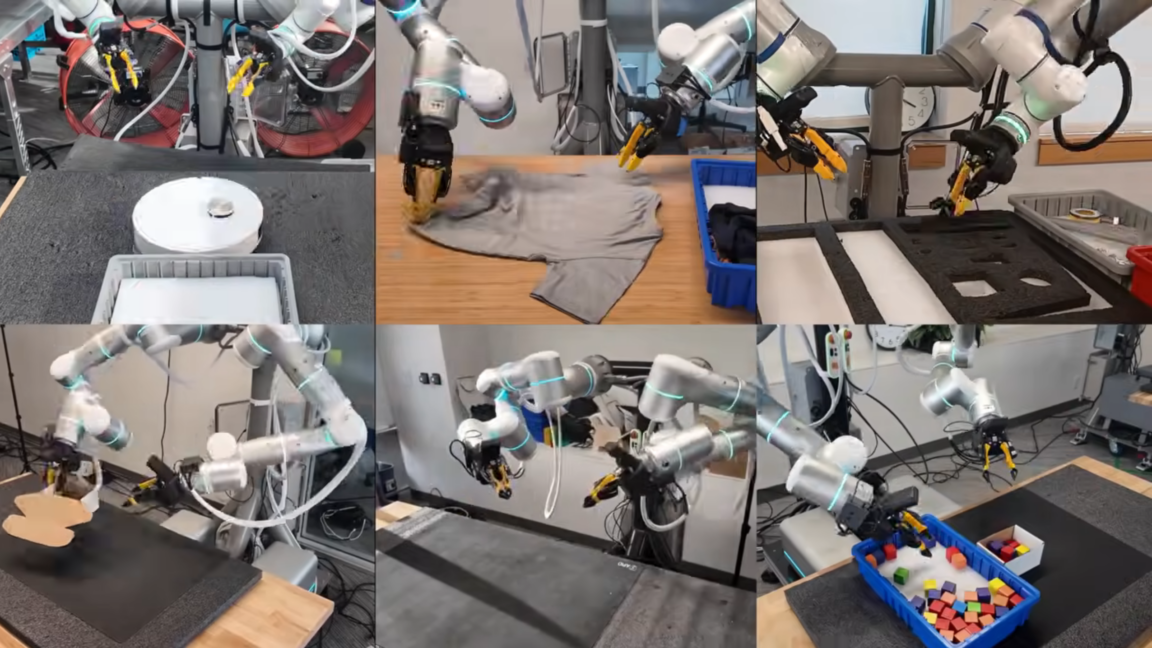
Another front of activity is the development of "physical AI," namely the Optimus robot. Although Tesla promised breakthrough information in the first quarter of 2026, the project has hit another delay. Industry experts remain skeptical, recalling the failure of the "alien dreadnought" concept – a fully automated factory that was supposed to produce the Model 3 but ended up as a costly logistical error resulting in cars being assembled in tents in a parking lot in Fremont.
A similar fate befell the next-generation Roadster. The demo premiere, planned for April 1, was postponed without a new date being given. Considering that production was supposed to start in 2020, the six-year delay is becoming a symbol of Tesla's problems with meeting deadlines. The only bright spot in the company's energy portfolio seems to be the expansion of the Tesla Energy business, which is beginning to act as a utility provider in the UK and plans to enter the Indian market.
The coming months will define the future of Musk's empire. The combination of the SpaceX IPO, the fight for the survival of Tesla's robotaxi vision, and the grueling trial with OpenAI will create a mix that will either solidify the billionaire's position as a visionary or expose the structural weaknesses of his ventures. One thing is certain: the capital of trust that Musk has enjoyed for years is shrinking drastically, and investors analyzing the SpaceX S-1 will be looking at the numbers much more closely than at social media posts.