How I used Gemini to replace YouTube's missing comment alerts - in under an hour

Foto: ZDNet
It took less than 60 minutes to create a fully functional, automated YouTube comment notification system using the Gemini model and Google Apps Script. This solution was developed as a direct response to the frustrating limitations of Google's platform, which stopped sending creators email alerts about new interactions under their videos, forcing them to manually check YouTube Studio. The key to success was utilizing AI not only to write the code but to design the entire operational logic. Gemini generated a script that connects to the YouTube Data API, monitors activity under selected videos, and then sends reports directly to an email inbox. The process did not require advanced programming knowledge from the user—the artificial intelligence guided them step-by-step through the configuration of API keys and permissions in the Google Cloud Console. This serves as practical proof that Large Language Models (LLMs) are changing the way we approach technical problems. Instead of waiting for official fixes from tech giants, users can now independently "patch in" missing features to popular services. The ability to instantaneously create tailor-made micro-tools means the line between consumer and developer is finally blurring.
In today's social media ecosystem, content creators face a paradoxical challenge: platforms that thrive on interaction are increasingly failing to provide basic tools for monitoring them. YouTube, the video giant owned by Google, has long struggled with the problem of unstable email notifications for new comments. For creators building a community, every missed message is a lost opportunity for engagement. However, the solution to this problem did not come from a system update, but through the use of Gemini — an advanced language model that allowed for the creation of a proprietary alert system in less than an hour.
Automation instead of frustration
The problem with YouTube notifications is not new, but its scale became bothersome enough to require a radical approach. Instead of waiting for fixes from Google engineers, the creator of the solution used Gemini to write a script in Python, which takes over the role of guardian of the comments section. The key to success was the precise formulation of the prompt, which forced the AI to generate code that integrates directly with the YouTube Data API.
The script runs cyclically, scanning specified channels for new interactions. Thanks to this, the creator does not have to rely on a faulty push notification system or emails that often end up in spam or are not sent at all. The use of Gemini eliminated the barrier to entry that writing complex code handling OAuth 2.0 authorization and API queries represents for many people.
Read also


Technical foundations of the Python script
At the heart of the solution is simplicity and efficiency. The script written with AI support relies on several key libraries, including google-api-python-client. The entire configuration process, from generating access keys in the Google Cloud Console to launching the first instance of the code, took less than 60 minutes. This demonstrates what a powerful tool LLM (Large Language Models) have become in the hands of non-technical users.
- YouTube Data API v3: Used to retrieve a list of the latest comments from specific videos or an entire channel.
- Python: The base language, which ensures code readability and ease of modification.
- Gemini: Acts as an architect and debugger, correcting errors in the query structure in real-time.
- Notification system: The script can be configured to send notifications via a local SMTP server or external services like SendGrid.
It is worth noting the economic aspect of this solution. While ready-made social media management tools often require expensive subscriptions, a custom script operating within the free limits of the YouTube API is practically cost-free for small and medium creators.
From prompt to working tool
The biggest challenge when creating custom AI tools is precision. Gemini handled this task by offering not only dry code but also step-by-step instructions on how to configure the environment. This process proves that the era of "no-code/low-code" is entering a new phase, where the barrier is no longer knowledge of syntax, but the ability to logically define problems.
A proprietary alert system offers something that official applications lack: full control over content filtering. The script can be expanded with sentiment analysis modules, allowing for the prioritization of comments requiring an immediate response or the automatic hiding of spam before it even reaches moderation. This is a level of personalization unattainable in the standard YouTube Studio panel.
"Instead of complaining about malfunctioning features of large platforms, today we can use their own artificial intelligence to fix those deficiencies. This is a fundamental shift in the user-technology relationship."
A new standard for creator workflow
The success of this experiment sheds light on a broader trend in the creative industry. Tools like Gemini, ChatGPT, or Claude are ceasing to be just toys for generating text and are becoming real technical assistants. The ability to build a dedicated "made-to-measure" tool during a lunch break changes the rules of the game. Creators are no longer hostages to the product decisions of large corporations; they can build their own micro-systems supporting their workflow.
I predict that in the near future, we will see an influx of similar micro-applications created by the community. From scripts automating editing to bots managing Discord and advanced AI-based analytical systems. The key is no longer having an army of programmers, but having access to the right language model and the courage to ask the question "how do I fix this?".
More from Tech


Related Articles
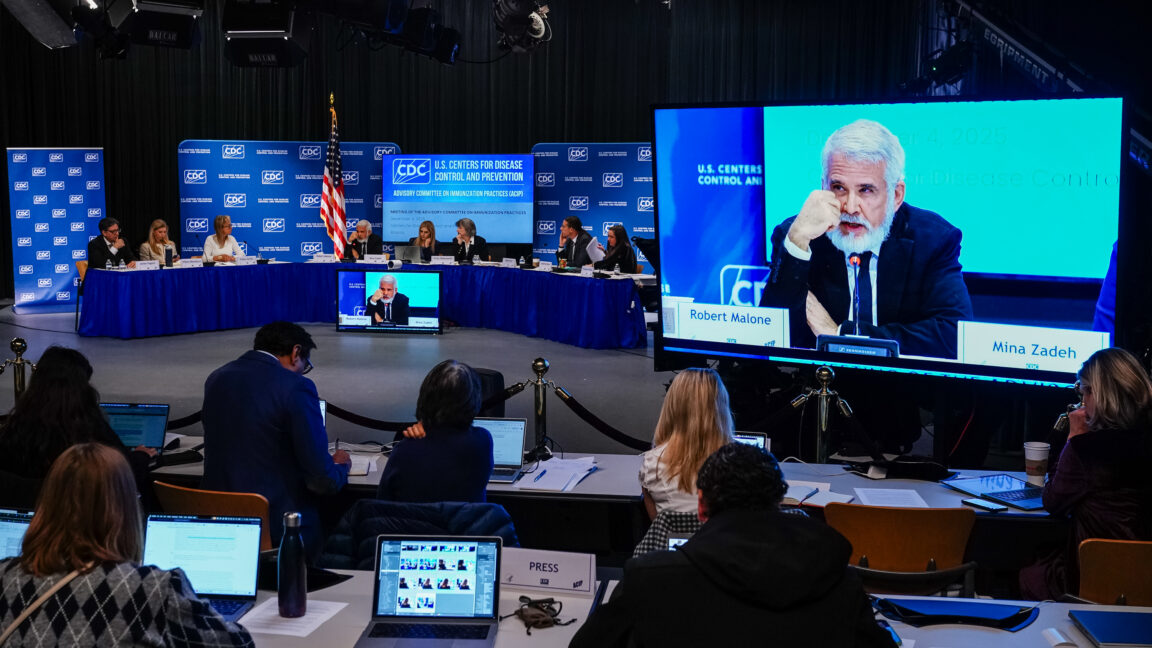
After court loss, RFK Jr. gives himself more power over CDC vaccine panel
Apr 6
Steven Spielberg Still Wants to Make a Horror Film ‘Someday’
Apr 6New Jersey has no right to ban Kalshi's prediction market, US appeals court rules
Apr 6