Used EV sales spike alongside gas prices
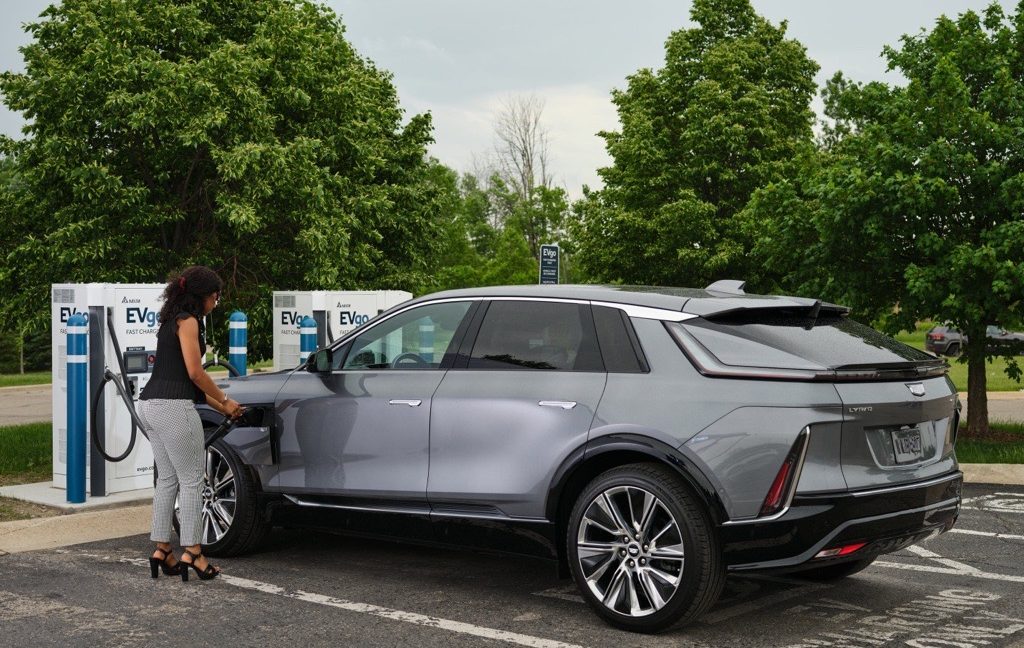
Foto: General Motors
Sales of used electric vehicles rose by 12% year-on-year in the first quarter, while the new EV market experienced a sharp 28% decline following the withdrawal of tax incentives. This dramatic turn of events is the result of a market correction: hundreds of thousands of vehicles from leases signed during the post-pandemic boom are currently entering the secondary market. According to Experian data, electric cars will account for as much as 15% of all vehicles returning from leases by the end of the year, nearly doubling the figure from early last year. For consumers, this represents a breakthrough in technology accessibility. Oversupply has caused the average price of a used EV to drop by 8.5% in just twelve months, nearly reaching parity with internal combustion engine vehicles. The purchase price gap between an electric model and a gasoline one has shrunk from nearly $5,000 to just $1,334. In the face of rising fuel prices, this shift makes electromobility a viable financial alternative for the mass market rather than just a luxury choice for enthusiasts. This phenomenon is forcing manufacturers to adopt new pricing strategies, as the secondary market has become the most serious competition for showrooms. The rapid decline in the residual value of older models is opening the door to the EV ecosystem for individuals previously blocked by high barriers to entry.
The automotive market is currently undergoing one of the most unexpected twists of recent years. While manufacturers of new electric cars struggle with drastic drops in sales, the used vehicle sector is experiencing a true surge. Data for the first quarter of this year leaves no room for doubt: sales of used EVs increased by 12 percent compared to the same period last year and by 17 percent compared to the previous quarter. This phenomenon, driven by a combination of political decisions and leasing cycles, is completely changing the balance of power on the roads.
The main catalyst for these changes is the brutal collision of two factors: a sharp rise in fuel prices and the termination of government support for new buyers. The Trump administration in 2025 withdrew the tax credit of 7,500 USD, which cut the wings of the primary market. It is estimated that sales of new "electrics" in the first quarter fell by as much as 28 percent year-on-year. Consumers, seeking an escape from costs at gas stations, are not giving up on electromobility but are shifting their interest to where the purchase price is realistically lower – to used car showrooms.
A flood of off-lease cars changes the rules of the game
The current situation is the result of a "post-pandemic boom," when thousands of drivers decided to lease modern electric vehicles. Now these contracts are expiring, and hundreds of thousands of relatively young cars are returning to the secondary market. According to data from the credit bureau Experian, by the end of this year, electric vehicles will account for as much as 15 percent of all cars ending their lease period. This is a colossal jump, considering that in the first quarter this indicator was only 7.7 percent.
Read also


This excess supply has become a blessing for customers' wallets. According to Cox Automotive, the average price of a used EV fell by 8.5 percent between February 2025 and February 2026. More importantly, the price gap between a used electric car and its internal combustion engine counterpart has shrunk drastically. A year ago, it was nearly five thousand dollars (4,923 USD); today, it has melted to just 1,334 USD. Such a reduction in the barrier to entry makes the economic calculation at current fuel prices obvious for the average driver.
Price reset through the eyes of the industry
Analysts have no doubt that we are dealing with a lasting trend rather than a temporary fluctuation. Stephanie Valdez Streaty, Director of Industry Insights at Cox Automotive, describes this phenomenon as a "significant reset in EV valuation." The secondary market has finally matured to the point where technology stops being a luxury gadget for the wealthiest and becomes a real alternative for the mass consumer who counts every penny spent on operation.
- Growth in used EV sales: +12% y/y and +17% quarter-on-quarter.
- Price drop: average of 8.5% over twelve months.
- Supply: the share of electric cars in the off-lease pool will rise to 15% by the end of the year.
- New car crisis: sales drop of 28% after the withdrawal of the 7,500 USD credit.
It is worth noting the paradox: technology that suddenly became too expensive in showrooms due to the lack of subsidies is gaining a second life on the secondary market thanks to natural market mechanisms. The oversupply of cars from the 2021-2023 model years means that buyers can choose from offers of vehicles that still have valid battery warranties and modern driver assistance systems, but cost a fraction of the price of a new unit.
New hierarchy of consumer values
The shift in purchasing trends shows that for the global consumer, ecology is important, but economics remains the deciding factor. The rapid jump in gasoline prices has made the cost per kilometer a key metric. With the purchase prices of used cars nearly equalized (a difference of about 1.3 thousand USD), the operational advantage of electric drive becomes impossible to ignore. This is no longer a fight to "save the planet," but for real savings in the household budget.
However, the primary market remains a problem for manufacturers. Without systemic incentives, such as the withdrawn tax credit, new EV models may continue to lose popularity to internal combustion and hybrid cars. From the perspective of the entire technological ecosystem, this situation creates a healthy foundation for infrastructure – the more used electrics on the road, the greater the pressure to develop fast-charging networks, which in the long run may help the new car market bounce back from the bottom.
One could argue that 2026 will be remembered as the moment when the secondary market saved electromobility adoption from total stagnation. Although new vehicle sales statistics currently look alarming, the flow of hundreds of thousands of modern machines to second and third owners is building a critical mass that even the lack of government subsidies will not stop. The democratization of EV technology did not come through price cuts in premium brand catalogs, but through the hard laws of supply and demand in used car lots.
More from Tech




Related Articles

After court loss, RFK Jr. gives himself more power over CDC vaccine panel
Apr 6
Steven Spielberg Still Wants to Make a Horror Film ‘Someday’
Apr 6New Jersey has no right to ban Kalshi's prediction market, US appeals court rules
Apr 6