Mining the deep ocean
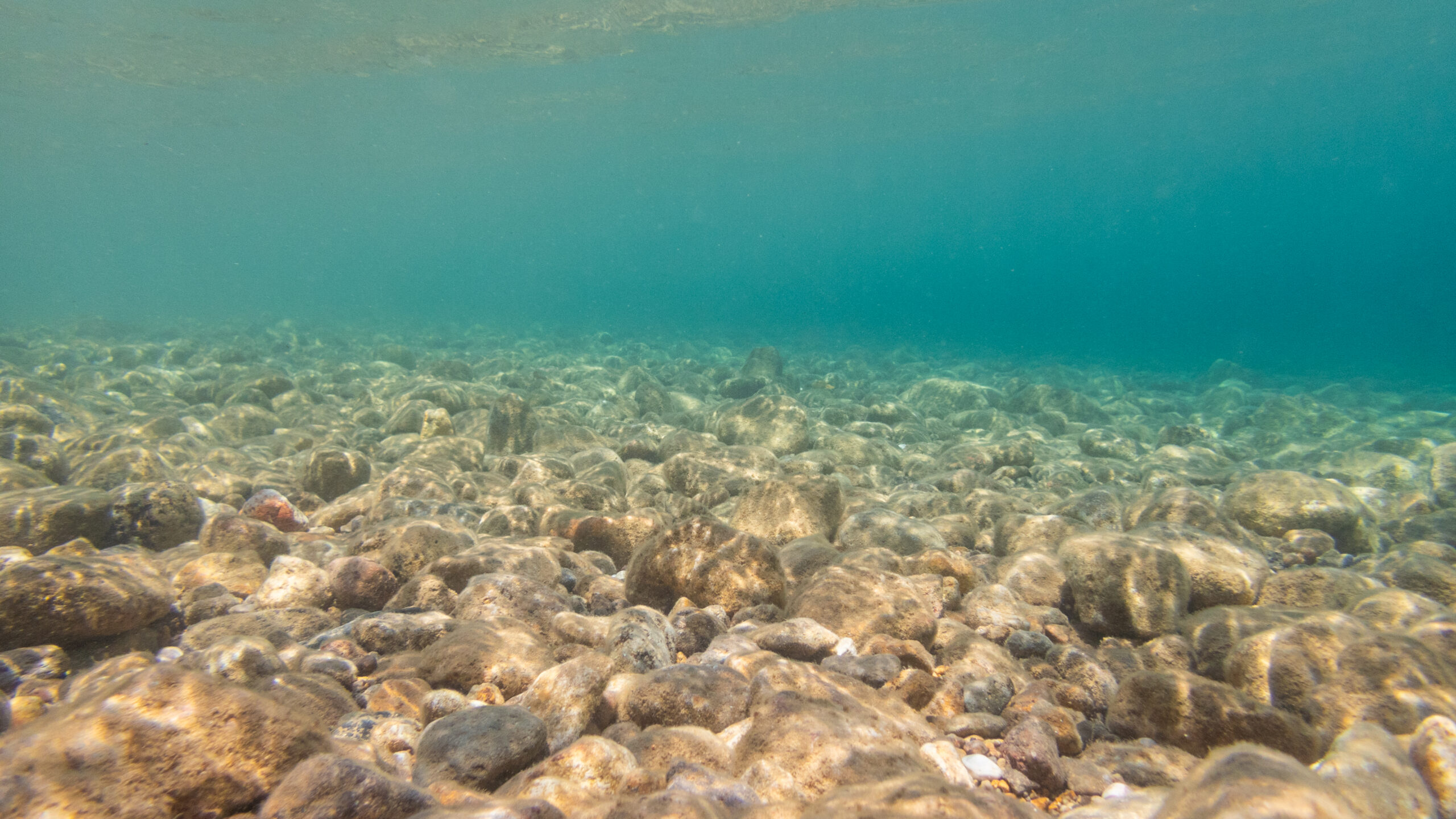
Foto: George Pachantouris
More than 4,000 meters below the surface of the Pacific Ocean, a 70-ton crawler machine successfully tested a collection system for potato-sized nodules rich in copper, manganese, cobalt, and nickel. This pilot program by The Metals Company paves the way for the exploitation of deposits estimated at 600 million metric tons of raw materials, which have remained untouched for millions of years. Currently, 31 research and mining initiatives, backed by governments including China and India, are competing for access to the seabed in the Clarion-Clipperton Zone. The rapid development of renewable energy technologies and the electric vehicle sector could, according to the International Energy Agency, quadruple global demand for critical metals. For end-users and technology developers, this represents an opportunity to stabilize supply chains and lower component prices, albeit at the cost of immense environmental controversy. While the International Seabed Authority continues to work on the Mining Code, countries such as Nauru are attempting to exploit legal loopholes to begin commercial mining as early as this year. The lack of global consensus presents the creative and technological industries with a dilemma: whether to use raw materials sourced from the deep sea, risking the irreversible destruction of ecosystems about which we still know too little. Ocean exploitation is becoming a new front in the struggle for technological dominance, where the pace of innovation is outstripping the establishment of international protective regulations.
Geopolitics hidden in seabed sediments
Currently, as many as 31 initiatives — from private corporations to state giants from China and India — are competing for access to underwater riches. For countries like Nauru, a small island nation in the Pacific, deep-sea mining is an opportunity for a civilizational leap. Nauru is exploiting legal loopholes to force the International Seabed Authority (ISA) to issue commercial permits even before rigorous environmental regulations are finalized. This is a dangerous precedent that shows the hunger for raw materials is outpacing our ability to regulate them. The situation is complicated by the stance of the United States, which has not signed the treaty giving the ISA jurisdiction over international waters. As a result, The Metals Company has submitted an application directly to the American administration for permission to mine in the Clarion-Clipperton Zone. This creates a risky legal dualism: on one hand, we have a UN agency trying to develop a global mining code, and on the other — unilateral actions by powers and companies that want to start exploitation "right now," citing the climate crisis.The numbers don't lie, but interpretations do
IEA analyses from 2025 point to inevitable shortages. By 2040, the demand for lithium, crucial for electric vehicle batteries, could increase 4.7 times compared to 2024 levels. Meanwhile, demand for copper, essential for renewable energy infrastructure, will rise by 30%. Experts warn that deficits of these metals will hit the market as early as 2035. The argument of deep-sea mining proponents is simple: high-quality land deposits have long been exhausted, and opening new surface mines involves massive social resistance and forest degradation. A completely different perspective is presented by Gavin Mudd from the British Geological Survey. In his view, the narrative of "depleting resources" on land is incorrect. USGS (United States Geological Survey) data suggests that lithium reserves currently stand at about 30 million tons, while geological resources are as high as 115 million tons. According to Mudd:- Land-based nickel resources are sufficient for over 100 years at current demand growth.
- Rising raw material prices will make it profitable to drill deeper into existing land mines.
- Battery recycling technologies could significantly reduce the demand for primary mining.
The ecological cost of "green" energy
Opponents of going underwater, including a coalition of 40 countries led by Palau, warn of a catastrophe that we cannot even measure. The ocean depths are among the least explored places on the planet. The process of vacuuming up nodules involves the creation of massive sediment clouds that can suffocate marine organisms over vast distances. Furthermore, the noise and vibrations generated by heavy equipment operating 24 hours a day could permanently disrupt the communication of marine mammals.The problem is that we are trying to fix one ecological mistake (CO2 emissions) by risking another, perhaps irreversible one. We lack the mechanisms to monitor the impact of mining on ecosystems thousands of miles from shore, at depths where pressure crushes standard research equipment.Proponents of oceanic mining counter that land mines are by no means "cleaner." Mining in the Democratic Republic of the Congo or Indonesia involves cutting down jungles, destroying biodiversity, and often tragic working conditions. In their view, the ocean floor — devoid of vegetation and human settlements — is the lesser evil. This is a brutal ethical dilemma: should we sacrifice deep-sea species yet unknown to us to save tropical forests and accelerate the elimination of internal combustion engines?
The end of the era of speculation, time for engineering
Mining technology is already ready. Riser pipe systems, through which raw materials travel from the bottom to the ship's deck, have been tested and are functional. The limitation is no longer engineering, but a lack of consensus on how to measure damage. Negotiations within the International Seabed Authority, which resumed after a stalemate in July 2025, are focused on creating real-time monitoring systems. Key technical and regulatory challenges include:- Developing transparency standards for sediment plumes.
- Establishing a compensation fund for unforeseen damage in international environments.
- Creating a global certification system for "deep-sea" raw materials so that EV manufacturers know where their cobalt comes from.
More from Tech




Related Articles
After court loss, RFK Jr. gives himself more power over CDC vaccine panel
Apr 6
Steven Spielberg Still Wants to Make a Horror Film ‘Someday’
Apr 6New Jersey has no right to ban Kalshi's prediction market, US appeals court rules
Apr 6