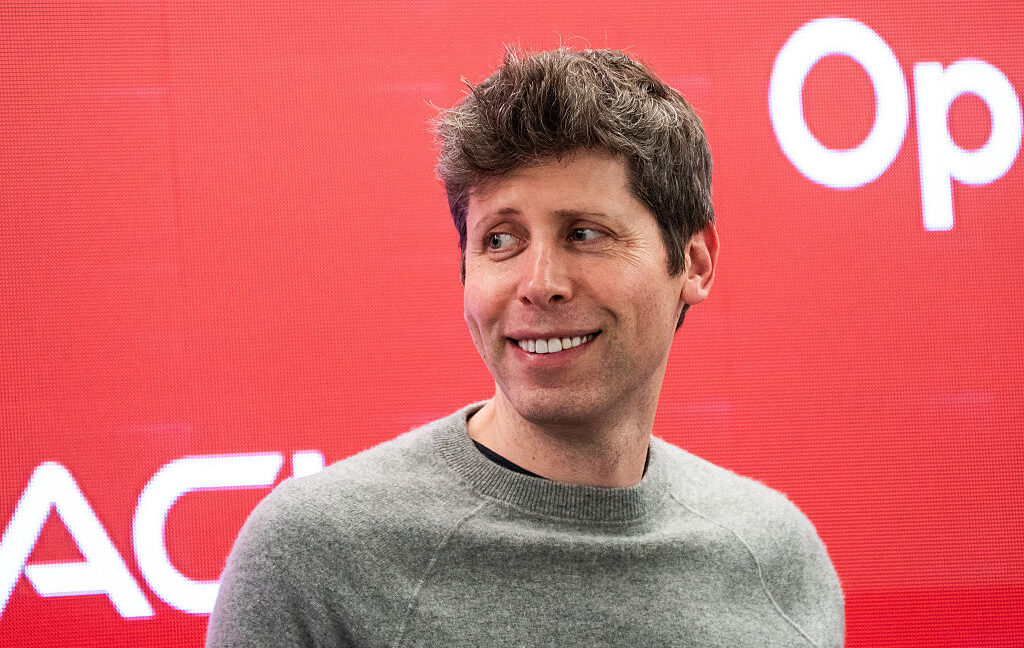
Musk says he’s building Terafab chip plant in Austin, Texas

Foto: The Verge AI
200 gigawatts of computing power on Earth and up to a terawatt in space – this is the vision outlined by Elon Musk while announcing the construction of a giant chip factory, Terafab, in Austin. The investment, conducted jointly by Tesla and SpaceX, aims to make the billionaire's empire independent of external semiconductor suppliers. Musk argues that without in-house production, the development of advanced robotics, AI, and space-based data centers will be stifled by global market shortages. For users and the creative industry, this project represents a potential breakthrough in the availability of computing power necessary for training generative models and operating autonomous systems. However, the implementation of the plan draws skepticism from experts: building a modern semiconductor fabrication plant is an extremely costly process, requiring specialized expertise and years of precise engineering work. Although Musk is famous for ambitious declarations, this time he provided no specific timeline or production start date. If Terafab is indeed built, it could become the foundation for a new era of edge computing devices operating independently of Earth's network infrastructure. This serves as a signal that the battle for AI dominance is shifting from the software level to the level of physical silicon production.
Elon Musk is once again challenging the laws of physics and economics by announcing a project that could redefine the technological architecture of his empire. In Austin, Texas, a giant semiconductor factory called Terafab is to be built, managed jointly by Tesla and SpaceX. The vision is staggering: producing their own integrated circuits on a scale that will satisfy the needs of robotics, artificial intelligence, and, most intriguingly, space-based data centers. Musk makes it clear: either he builds his own production capacity, or his ambitious plans for autonomy and space conquest will stall due to the global silicon deficit.
The decision to enter the chip fabrication sector is a move of the highest risk, even by the billionaire's standards. Until now, companies like Apple or Nvidia designed their own circuits but outsourced their physical production to giants like TSMC. Musk intends to bypass the intermediaries, creating a closed ecosystem where the design, production, and implementation of technology take place under one roof. This is an attempt to become independent of the whims of the supply chain, which has repeatedly paralyzed the tech industry in recent years.
Ambitions reaching orbit and terawatt computing power
The key differentiator of Terafab is intended to be not only the production volume but, above all, the purpose of the components created there. Musk is aiming for computing performance that eludes current market standards. According to announcements, the factory is to support infrastructure generating up to 200 gigawatts of computing power annually on Earth and ultimately up to one terawatt in space. Such numbers suggest that Musk is not just building another chip factory, but the foundation for a galactic computing network.
Read also
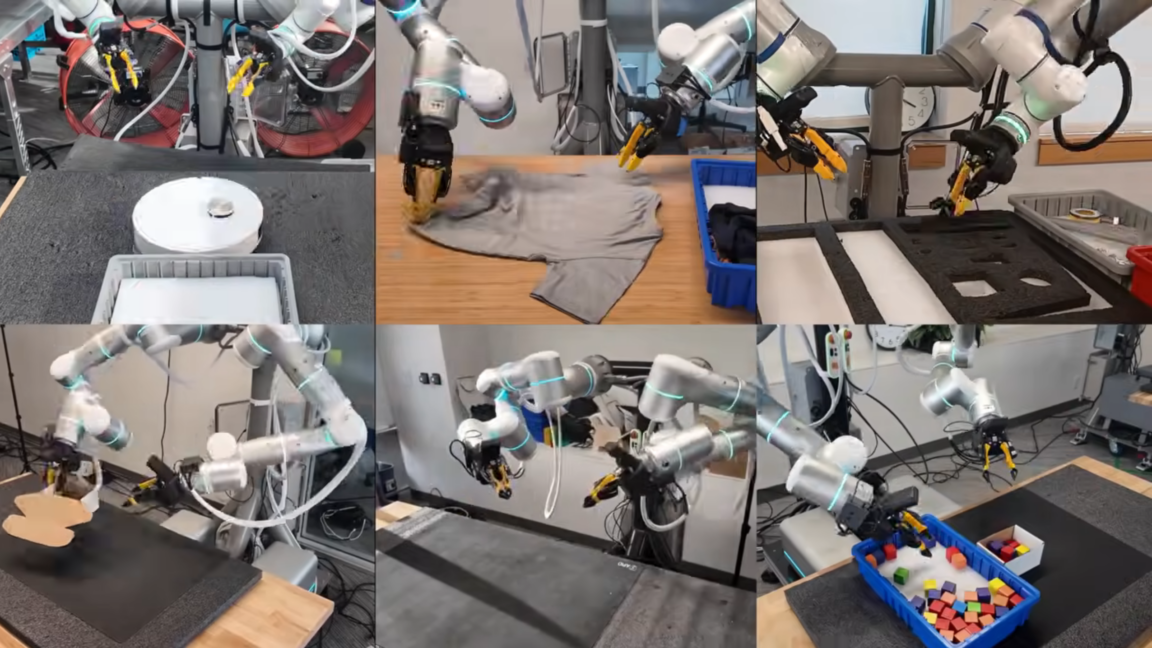

The use of chips in "space-based data centers" is a strategic step for SpaceX and the Starlink constellation. Moving the computational load to orbit could drastically reduce latency in global data transmission and enable advanced AI algorithms to operate directly in space. The Terafab product portfolio is expected to include:
- High-performance processors for Tesla Optimus humanoid robots
- Training chips for xAI (Grok) language models
- Radiation-hardened chips for operation in extreme vacuum conditions
- Energy management modules for Megapack storage systems
An entry barrier that cannot be overcome with capital alone
Despite Musk's enthusiasm, the semiconductor industry remains the most demanding industrial sector in the world. Building a modern chip factory (FAB) is a process lasting 3 to 5 years, requiring investments in the range of 10-20 billion dollars and access to unique equipment, such as EUV lithography machines from the Dutch company ASML. Musk, although he possesses enormous capital, is entering territory where it is not just vision that counts, but above all decades of experience in materials and chemical engineering.
Critics rightly point out that Musk tends to underestimate technical and operational difficulties. Chip production is a game of millimeters and air purity exceeding operating room standards. Every error in the process means billions in losses. Additionally, the labor market in this sector is extremely saturated—finding thousands of highly qualified process engineers in Austin, where Samsung and NXP already have their factories, will be a logistical nightmare. Terafab must become a magnet for talent to get off the ground at all.
"Either we build Terafab, or we won't have chips. We need them, so we're building" — Elon Musk.
Vertical integration as Musk's ultimate weapon
From the perspective of a Pixelift analyst, this move is a logical extension of the full vertical integration strategy that Musk has applied since the beginning of his operations. By controlling chip production, Tesla and SpaceX gain an advantage that cannot be bought: the ability to optimize hardware for specific software (software-hardware co-design). This is exactly the same strategy that allowed Apple to dominate the mobile market thanks to its A and M series processors.
If Terafab achieves even half of its projected capacity, Musk will stop being a customer of Nvidia or Intel and become their most dangerous competitor. In the era of the AI arms race, owning your own "silicon mine" is equivalent to owning your own energy sources during the industrial revolution. This is not just a matter of savings; it is a matter of survival in a world where computing power is becoming the new global currency.
The lack of a specific timeline in Musk's announcement suggests that the Terafab project is currently in the conceptual phase or early infrastructure planning. It is expected that the first shovels will hit the ground in Austin later this year; however, real production of chips that will end up in Optimus robots or Starlink satellites is a prospect for at least 2028-2030. Musk is going for broke, betting that by then the demand for AI will grow exponentially, making Terafab the most important factory on the planet—and beyond it.