OpenAI closes Sora video-making app and cancels $1bn Disney deal
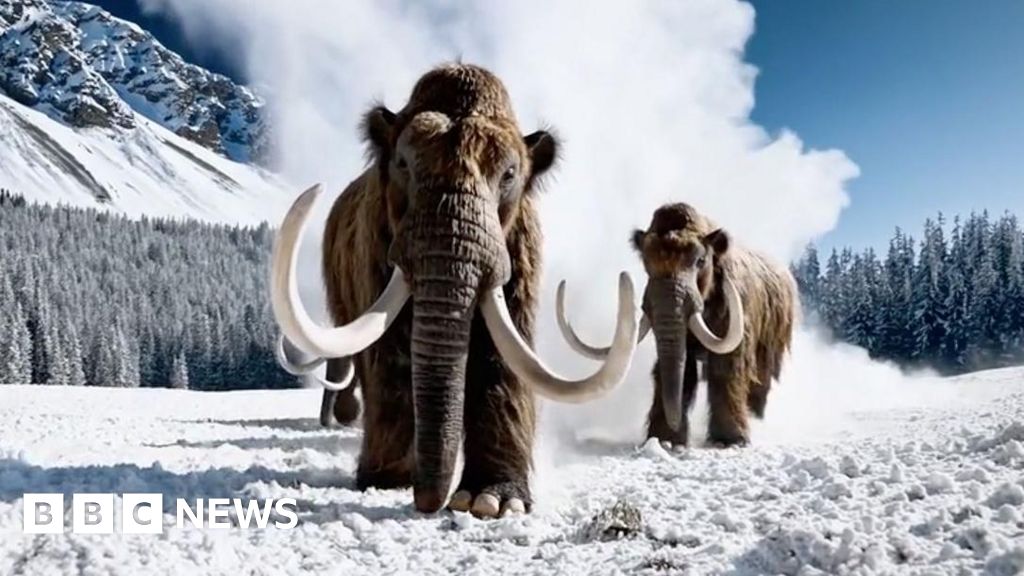
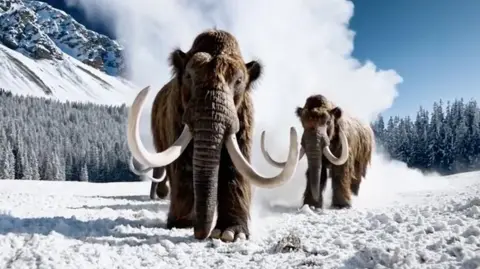
Foto: Two woolly mammoths walking towards the camera in a snow-covered landscape in an AI-generated image
Just $1.4 million in revenue generated by Sora, compared to nearly $2 billion earned by ChatGPT, has sealed the fate of the most high-profile video generator of recent years. OpenAI is officially closing the Sora project and withdrawing from a billion-dollar partnership with Disney, which was intended to allow users to legally create content featuring characters such as Mickey Mouse or Yoda. This decision marks a total halt in the development of video generation tools in favor of projects related to robotics and autonomous AI agents capable of performing physical tasks in the real world. For the global creative industry, this is a moment of respite but also a warning signal. Experts point out that Sora proved to be a "financial black hole," generating enormous costs alongside issues with copyright and disinformation. Although Disney announced it is seeking other technological partners, OpenAI is clearly shifting course ahead of its planned IPO, focusing on technologies with greater commercial potential. Professional users are losing access to a platform that was supposed to revolutionize Hollywood, demonstrating that even the most spectacular innovations can lose to hard economics and legal risks. However, the technology behind Sora will not be abandoned—it will now serve as the foundation for training systems controlling next-generation robots.
 artificial intelligence" />
The end of the billion-dollar alliance with Disney
One of the most spectacular consequences of this decision is the collapse of the partnership with **The Walt Disney Company**. The agreement, signed in December, was intended to last three years and allow users to legally utilize the entertainment giant's intellectual property. Thanks to it, iconic characters such as **Mickey Mouse** or **Yoda** from the Star Wars saga could appear in AI-generated materials. This was the first instance where a major film studio decided to license its assets to an AI technology company, which was meant to silence copyright disputes. Despite the massive financial scale of the agreement, Reuters reports that no actual money transfers took place between the entities before its termination. A Disney spokesperson stated in an official communication that the company respects OpenAI's decision to withdraw from the video business and intends to seek other platforms that will allow for the responsible use of technology without infringing on intellectual property rights. For the film industry, which feared that AI would replace talent and craft, OpenAI's sudden retreat is a momentary sigh of relief, although the market abhors a vacuum.Economics vs. Ambition: Why did Sora fail?
Although **Sora** inspired visual awe, its business model proved unsustainable. Market data provided by **Sensor Tower** sheds light on the brutal financial reality: since its launch, the platform generated only **$1.4 million** in net app revenue. During the same period, the company's flagship product, **ChatGPT**, brought in a staggering **$1.9 billion**. This gap shows that despite the media hype, commercial interest in AI video generation was marginal compared to text-based tools. Analysts, including Thomas Husson from Forrester, describe the project as a "resource black hole." The high costs of computing power needed to render realistic clips did not translate into profits. Additionally, the platform struggled with ethical and legal issues, such as:- Difficulties in blocking content generated without the consent of third parties (deepfakes).
- The risk of disinformation through the creation of overly realistic materials.
- Ongoing allegations of copyright infringement during model training.