School Forced to Replace Toilets After Kids Flush Vapes
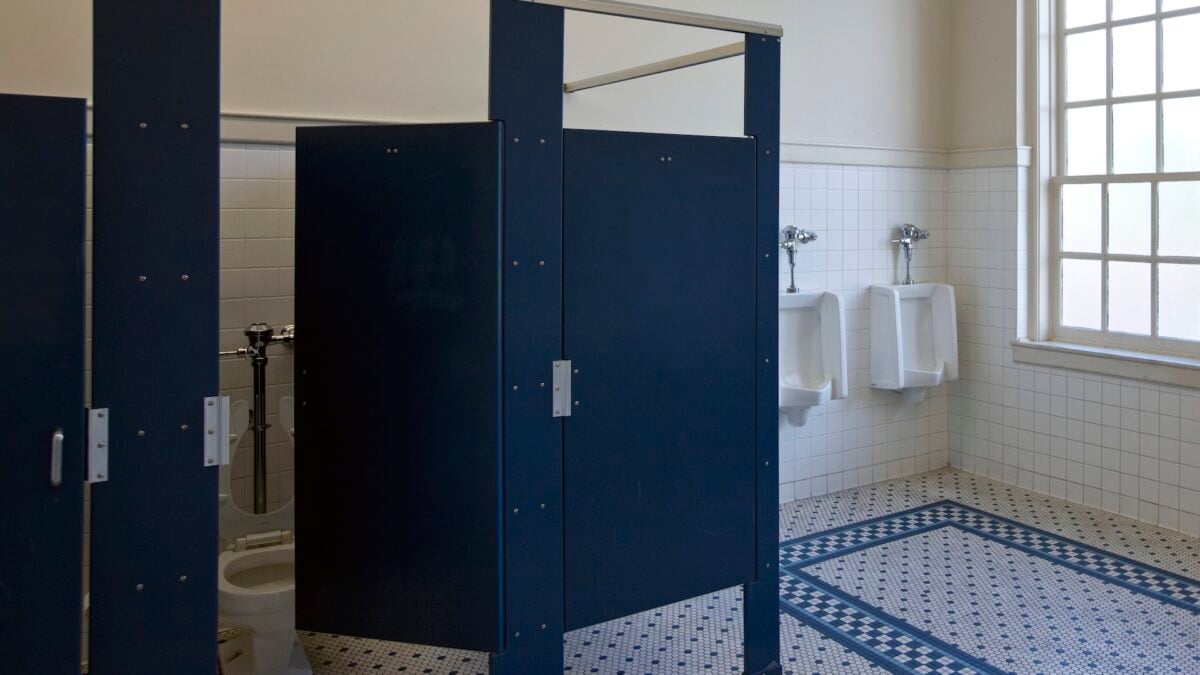
Foto: Stock photo of a school bathroom in North Carolina © Mint Images via Getty Images
More than $100,000 – that is the potential cost for a Maryland school to replace its plumbing systems after students began mass-disposing of used vape devices by flushing them down toilets. This modern version of student rebellion, replacing cigarette smoke with plastic e-cigarettes, has led to a paralysis of the building's infrastructure. Unlike cigarettes, plastic casings and lithium batteries do not decompose, creating irremovable blockages in the pipes that standard plumbing equipment cannot penetrate. The problem extends beyond local property damage, exposing a global challenge faced by educational institutions in the era of vaping technology's popularity. For users and building managers, it is a clear signal: urban infrastructure is not designed for the disposal of e-waste in sewage systems. This incident is forcing public facility administrators to invest in advanced monitoring systems and specialized sensors that detect e-cigarette vapors in bathrooms. Ultimately, the costs of irresponsible electronics disposal fall on the entire community, leading to the necessity of expensive modernizations that could be avoided through basic education on recycling battery-powered devices. The scale of the problem demonstrates that the fight against youth addiction has moved from the realm of health to the field of critical urban engineering.
What was once the domain of rebellious youth hiding in school restrooms with a cigarette in hand has evolved in the 21st century into a problem of much greater technological and financial scale. While a paper cigarette butt was able to survive a confrontation with the sewage system, modern vaporization devices represent an impassable barrier for sanitary infrastructure. One school in the state of Maryland learned this lesson brutally, facing the necessity of a complete replacement of fixtures after students began mass-disposing of evidence in the most unfortunate way.
The problem no longer concerns only educational or health issues, but real damage to public property. The plastic casings, lithium batteries, and metal heating elements that make up vapes do not decompose and cannot be easily pushed through pipes. As a result, school toilets have become a testing ground for plumbers who, instead of standard clogs, must deal with technological waste blocking drains at a structural level.
Electronics vs. last-century plumbing
A contemporary school in Maryland is facing a phenomenon that sanitary system designers could not have predicted decades ago. While traditional tobacco wrapped in paper eventually soaked up water and fragmented, plastic vapes retain their shape and rigidity. These devices, often with irregular shapes, wedge themselves into traps and pipe elbows, creating blockages that cannot be removed using a standard plunger or plumbing snake.
Read also


When a student, wishing to avoid being caught by a teacher, flushes an e-cigarette down the bowl, they trigger a chain reaction. The device blocks the flow, leading to a buildup of waste and, consequently, permanent mechanical damage to the ceramics and drain pipes. In the case of the Maryland facility, the scale of the phenomenon was so large that temporary repairs stopped yielding results. The decision to replace the toilets was not a whim, but a necessity resulting from the total failure of a system that had been "clogged" with consumer electronics.
Analyzing this problem from a technological perspective, we are dealing with a collision of two worlds. On one hand, we have building infrastructure intended to serve for decades, and on the other—a dynamically developing market for cheap, disposable electronics. Vapes are designed as products with a short life cycle, often without considering their disposal path. When such an object enters the sewage system, it becomes a "foreign body" that, combined with household chemicals and sediment, creates an almost impossible-to-remove barrier.
Costs hidden in a plastic casing
Replacing toilets in a public institution is a complicated and, above all, expensive process. It is not just about purchasing new ceramics, but about labor, often requiring breaking into walls or floors to reach blocked stacks. The school in Maryland must now allocate funds that could have been spent on educational aids or modernizing computer labs to repair damage caused by a new trend among teenagers. This is a classic example of the external cost of technology paid for by the taxpayer.
- Durability of materials: Plastic and metal do not degrade in water.
- Chemical hazard: Lithium-ion batteries inside the devices can leak, contaminating the water.
- Geometry of clogs: Rectangular and elongated e-cigarette casings perfectly block flow in the bends of the installation.
- Scale of the phenomenon: These are no longer isolated cases, but a mass practice in educational institutions.
It is worth noting the ecological aspect, which often escapes this discussion. Throwing devices containing batteries into the water supply network is a direct path to contaminating local water sources. Although the device is small, the accumulation of heavy metals and lithium in the sewage system poses a challenge for wastewater treatment plants, which are not adapted to filter this type of pollution originating from households or schools.
Infrastructure in the face of cultural changes
The incident in Maryland shows how changes in consumer habits directly affect the physical functioning of cities and buildings. The transition from tobacco to vaporization has changed the nature of waste generated in public spaces. Schools, being a microcosm of these changes, are the first to feel the effects of the lack of education regarding e-waste disposal. Students, perceiving an e-cigarette as a smaller equivalent of a smartphone or gadget, do not see it as a threat to the pipe system, treating it with the same carelessness as a paper cigarette butt.
From the perspective of a facility administrator, this situation forces the installation of more advanced monitoring systems or smoke/vapor sensors that could deter students from using the devices in stalls. However, even the most modern detection technology will not fix a damaged pipe. The problem lies in the design of the product itself—disposable vapes are too cheap for the user to feel respect for them, and too durable for the sewage system to handle.
This phenomenon will grow until e-cigarette manufacturers are forced to take responsibility for the life cycle of their products, or until schools implement rigorous electronic waste management systems. The Maryland case is just the tip of the iceberg. As more everyday devices become "smart" or "electronic," our traditional infrastructure—from trash cans to sewage systems—will require thorough rethinking and adaptation to a new, plastic-lithium reality.
One could argue that in the coming years, sanitary systems with increased capacity or special mechanical filters installed directly at toilet drains will become standard in public buildings. It is a paradox: to deal with the "modern" problem of vaporization, we must return to the basics of civil engineering and strengthen the most mundane elements of our environment. If we do not, school maintenance costs will be dominated by expenditures on plumbers rather than teachers.
More from Tech




Related Articles

After court loss, RFK Jr. gives himself more power over CDC vaccine panel
Apr 6
Steven Spielberg Still Wants to Make a Horror Film ‘Someday’
Apr 6New Jersey has no right to ban Kalshi's prediction market, US appeals court rules
Apr 6