Trump's MAHA pick for surgeon general flounders amid GOP doubts
Getty | Tom Williams
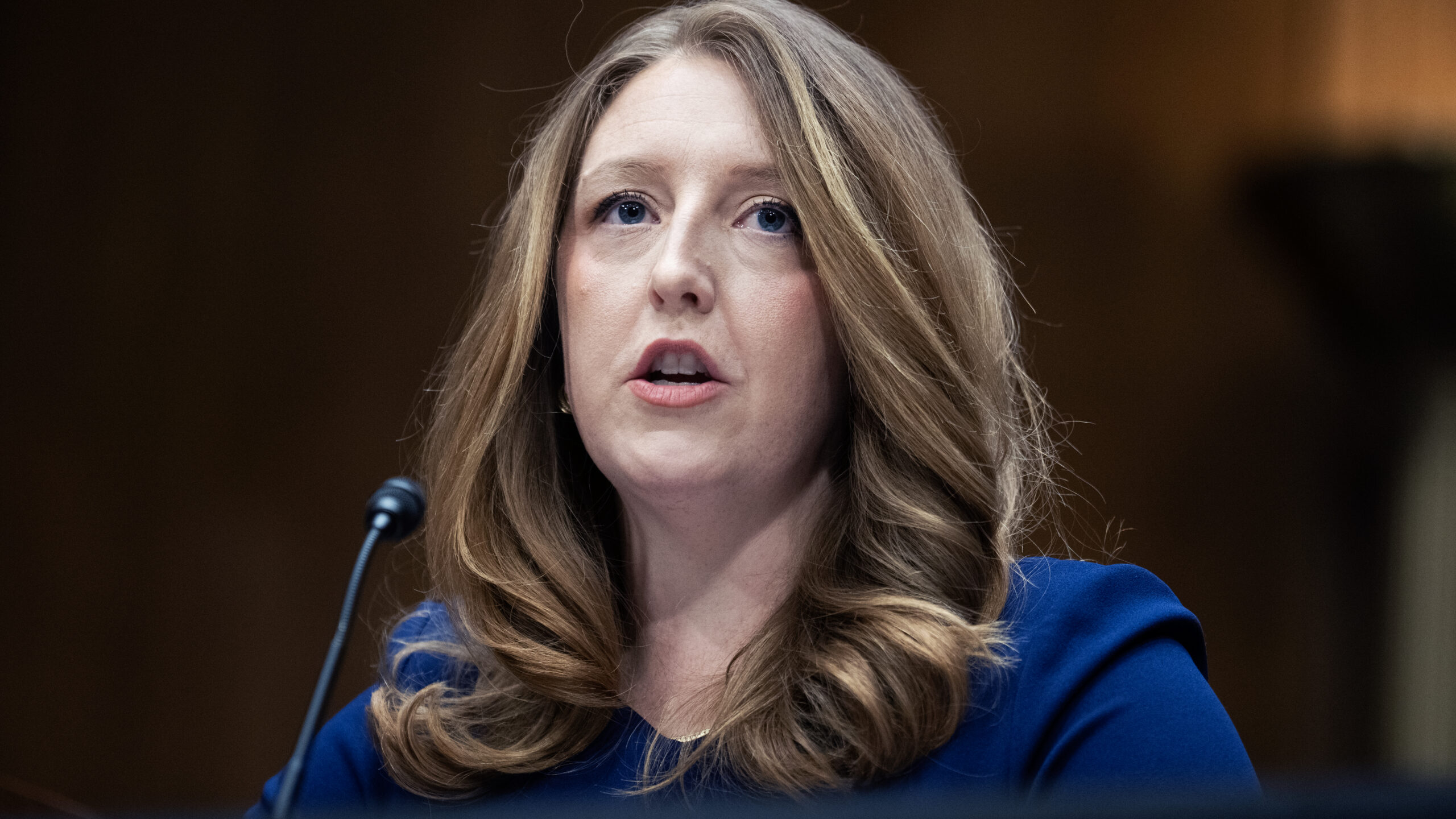
Just a single vote of opposition in the Senate Health Committee could derail Casey Means’ chances of becoming Surgeon General, casting doubt on the future of the Make America Healthy Again (MAHA) movement. Although the physician and wellness influencer was nominated over 10 months ago, at least four Republican senators—including Bill Cassidy, Susan Collins, Lisa Murkowski, and Thom Tillis—have expressed deep skepticism regarding her medical qualifications and ambiguous stance on vaccinations. During hearings, Means avoided direct answers to questions about the validity of administering flu or measles vaccines, raising concerns about her deference to the controversial views of Robert F. Kennedy Jr. For the global health and med-tech sectors, this stalemate serves as a warning against appointing individuals who promote scientifically unverified wellness trends over established medical procedures to key positions. The potential blocking of the candidate suggests that institutional oversight mechanisms still prioritize hard scientific evidence over political loyalty and social media reach. The persistent resistance from senators demonstrates that in the field of public health, a radical departure from evidence-based medicine faces a barrier that even strong administrative pressure cannot overcome. These divisions may delay the implementation of new health strategies, forcing policymakers to seek candidates who combine an innovative approach with unquestionable scientific authority.
The nomination of Casey Means for the position of Surgeon General of the United States has come under question, exposing deep fractures within the Republican camp. Although the Donald Trump administration is pushing a vision of a radical overhaul of the healthcare system under the banner of the Make America Healthy Again (MAHA) movement, resistance from within its own ranks in the Senate is becoming an insurmountable barrier. This is no longer just political theater; it is a collision between the world of evidence-based medicine and the "wellness influencers" trend, which is gaining political influence at the expense of scientific rigor.
Key figures in the Republican Party, including Senators Bill Cassidy, Susan Collins, Lisa Murkowski, and Thom Tillis, are openly expressing doubts about Means' competence. The situation is critical because, within the Senate health committee, the opposition of just one of these politicians is enough to block the nomination process. This is a rare moment where substantive concerns regarding a lack of appropriate medical education and controversial views on public health prevail over party loyalty.
MAHA influence versus medical orthodoxy
Casey Means is a figure originating directly from the circle of Robert F. Kennedy Jr., the current Secretary of Health, who for years has promoted theories undermining trust in vaccinations. As the face of the MAHA movement, Means built her recognition not in laboratories or hospitals, but on social media as an influencer promoting an alternative approach to well-being. The problem arises when these informal tips are to be forged into the official health policy of a superpower.
Read also

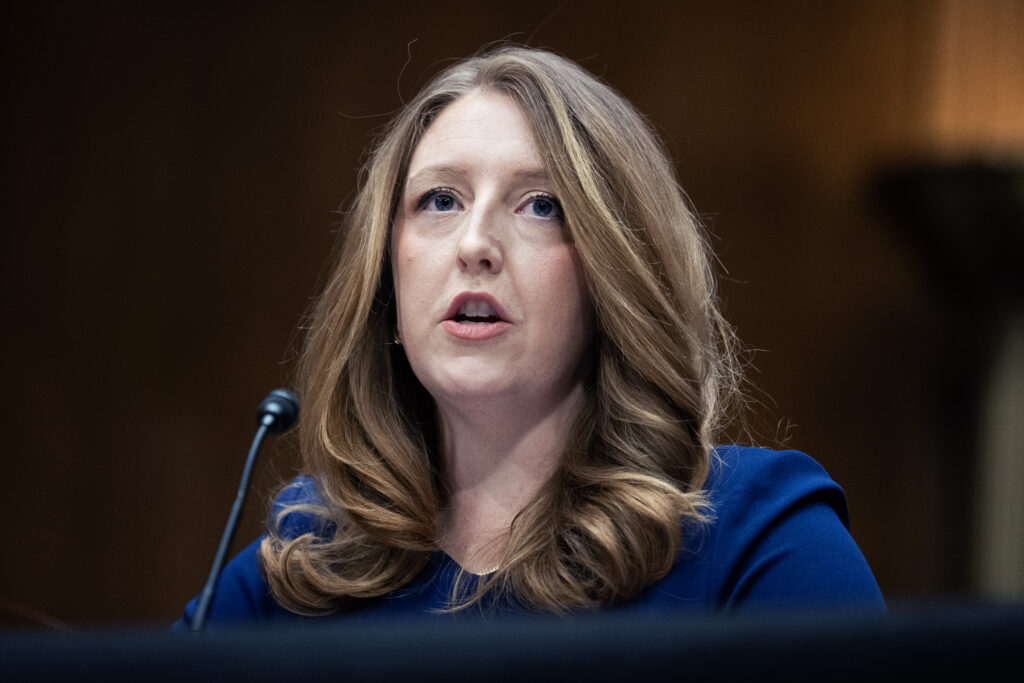
During committee hearings held last month, Means was repeatedly questioned on fundamental immunization issues. Senators pressed for clear declarations regarding vaccines against influenza, measles, or the standard dose against hepatitis B for newborns. However, the candidate's answers were evasive. Instead of unequivocal support for life-saving preparations, Means used dodges, trying not to enter into direct conflict with Kennedy's narrative, which only confirmed critics' belief in her lack of professional independence.
- Robert F. Kennedy Jr. – the main architect of the MAHA movement and patron of Means' nomination.
- Bill Cassidy – chairman of the health committee, a physician by profession, demanding concrete answers to questions about vaccinations.
- Susan Collins and Lisa Murkowski – key votes deciding the majority, expressing "strong reservations" about the candidate.
Trust put to the test
The stance of Senator Bill Cassidy is crucial here. As chairman of the Senate Health Committee and a staunch supporter of vaccinations, he is under enormous pressure from the MAHA community, which accuses him of blocking the nomination. Cassidy has reasons for distrust – he previously voted to confirm Kennedy as Secretary of Health after the latter promised he would not introduce radical changes hitting the vaccination system. These promises, as observers note, have already been largely broken.
For senators like Murkowski or Collins, the problem is not only ideology but, above all, Means' lack of a solid medical background that would allow her to serve as the "nation's doctor-in-chief." The role of Surgeon General traditionally involves communicating scientific facts in a way accessible to citizens, rather than promoting unverified wellness trends. Means' statements about vaccinations for newborns caused particular concern, suggesting a departure from decades of proven medical practices.
Despite more than 10 months passing since the nomination, the candidate's status remains unchanged. When asked about progress in the confirmation process, Cassidy replies briefly: "no change." This laconic statement suggests that until Means presents hard evidence of moving away from harmful medical misinformation, her chances of taking office are close to zero. The resistance within the GOP shows that even in a polarized political world, there are boundaries that, when crossed in the name of ideology, meet with a substantive veto.
Science versus influencers in state administration
The case of Casey Means is a symptom of a broader phenomenon where scientific authority is replaced by social media reach. The Make America Healthy Again movement, although its assumptions refer to the fight against obesity and processed food, is becoming a Trojan horse for anti-vaccine circles. For the technology and medical sectors, the nomination of a person with such vague views on fundamental biological issues is a warning signal of an upcoming era of "post-scientific politics."
"I had and still have strong reservations about this nomination," stated Senator Lisa Murkowski, emphasizing that a week after the hearings, her opinion has not changed.
The blocking of Means' nomination by Trump's own party proves that institutional control mechanisms still work, even if they are subjected to enormous political pressure. Surgeon General is not a decorative position; it is a voice that in crisis situations, such as pandemics or infectious disease outbreaks, must enjoy absolute public and expert trust. The lack of support for Means from physicians serving in the Senate, such as Cassidy, is the most telling commentary on her candidacy.
If the Trump administration does not decide to change the candidate or if Means does not make a radical turn in her rhetoric, the position may remain vacant for a long time. This, in turn, will weaken the momentum of the MAHA movement, which without official anchoring of its leaders in federal structures, will remain only a loud image campaign. Ultimately, Means' fate will be decided by whether the Senate concludes that wellness and politics can replace fact-based medicine.
More from Tech




Related Articles
After court loss, RFK Jr. gives himself more power over CDC vaccine panel
Apr 6
Steven Spielberg Still Wants to Make a Horror Film ‘Someday’
Apr 6New Jersey has no right to ban Kalshi's prediction market, US appeals court rules
Apr 6