Two Songs We Really Wish Were the Anime Outros for ‘Steel Ball Run’
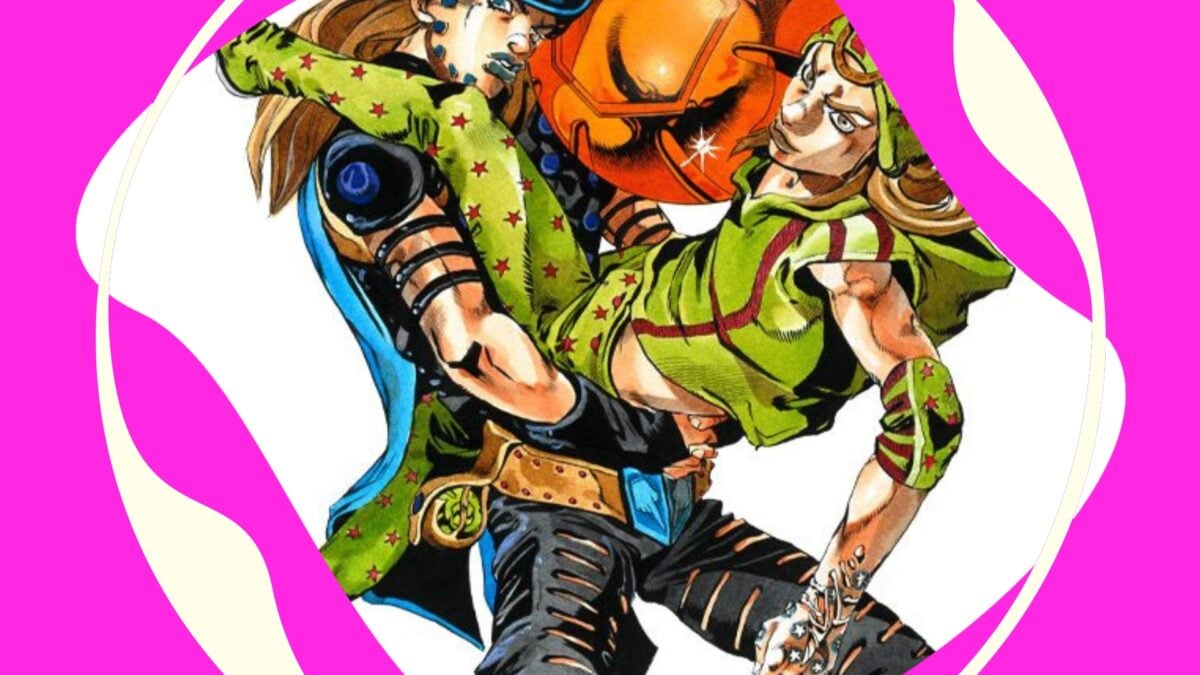
© Hirohiko Araki/Viz Media
JoJo’s Bizarre Adventure is a pop culture phenomenon where the boundary between anime and music history practically does not exist. Since the series' inception with the debut of Phantom Blood, the names of protagonists, antagonists, and their powers (Stands) have served as direct homages to icons of the music scene—ranging from rock classics and nu-metal's Limp Bizkit to rap legends like Notorious B.I.G. As the manga evolved into its latest installment, JoJoLands, author Hirohiko Araki has drawn from increasingly modern inspirations, referencing the works of Lady Gaga and Dua Lipa. For fans awaiting the adaptation of Steel Ball Run, the selection of tracks for the ending credits (outros) is a crucial element in building an atmosphere that transcends a standard soundtrack. A well-chosen song not only cements the series' connection to Western culture but also significantly impacts the streaming success of forgotten hits, as demonstrated by the cases of "Roundabout" by Yes and "Walk Like an Egyptian." The practical significance of these choices is immense—for creative directors and editors, it is a lesson in how to build a brand's global visual identity through licensed music. The final selection of tracks for Steel Ball Run will define the aesthetic of this part for years to come, blending a cowboy epic with a specific sound that will permanently attach itself to the image of the main characters in the public imagination.
In the world of anime, few brands build such a strong synergy with Western popular music as JoJo’s Bizarre Adventure. Since the premiere of Phantom Blood, Hirohiko Araki has not only drawn inspiration from classic rock but has made musical references the foundation of his universe. Today, as fans eagerly await the official announcement of the adaptation of the saga's seventh part, Steel Ball Run, the discussion regarding the choice of ending themes is becoming almost as significant as the voice cast selection. Netflix, Warner Bros. Japan, and studio David Production face the challenge of appeasing a community that felt a certain dissatisfaction with the brand's direction after the conclusion of Stone Ocean.
The choice of music in JoJo is not just a matter of aesthetics; it is a tribute to the evolution of pop culture. We have come a long way from classic sounds to encounter references to Dua Lipa or contemporary pop stars in later stages of the manga, such as JoJoLands. Previously, Araki was not afraid to reach for nu-metal legends like Limp Bizkit, hip-hop icons like Notorious B.I.G., and even the provocative work of Lady Gaga. This eclecticism means that expectations for Steel Ball Run — set in a Western atmosphere but steeped in supernatural horror and a horse race across the United States — are set incredibly high.
A Ballad of Horses and Steel Balls
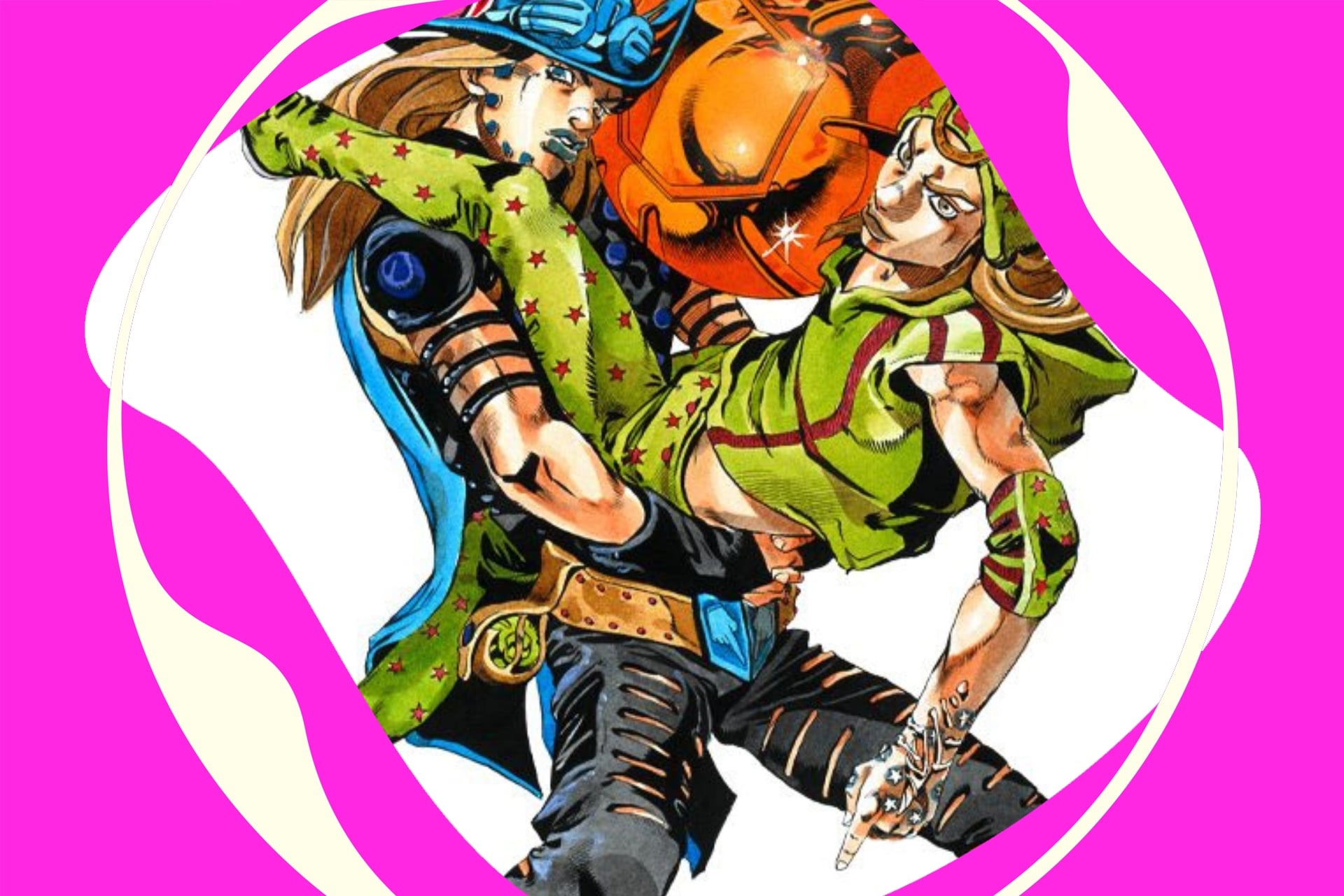
The first natural choice that has circulated in fan discussions for years as an ideal candidate for the first Steel Ball Run ending is a track that refers directly to the roots of American rock or country-rock. The story of Johnny Joestar and Gyro Zeppeli requires a sound that captures the dust of the prairie, the exhaustion of a murderous race, and the melancholy accompanying heroes with tragic pasts. Choosing the right "bop" could immediately silence criticisms regarding the production pace of previous series.
Read also


Considering that Steel Ball Run is a reboot of the series' timeline, the music must serve as a bridge between the old and the new. David Production has accustomed us to tracks like "Walk Like an Egyptian" or "Roundabout," which have become inseparably linked to the anime's identity. In the case of Part 7, fans suggest songs whose narrative structure matches the progression of the race. The ideal ending theme must possess that specific energy that prevents a viewer from turning off the episode after a dramatic cliffhanger, instead immersing them in the atmosphere of 19th-century America.

Modernity in the Service of Classics
The second proposal should reflect the later stage of the manga, where the stakes become cosmic and opponents like Funny Valentine introduce elements of political thriller and metaphysics. Here, there is room for something more modern that would reference Araki's current fascinations. Since the author unreservedly cites contemporary charts in JoJoLands, the anime version of Steel Ball Run could risk a track with a heavier, almost psychedelic tone to emphasize the evolution of Stands in this part.
- Johnny Joestar – a character whose determination perfectly harmonizes with a rising drum tempo.
- Gyro Zeppeli – his eccentricity and Spin technique require sounds that are raw yet melodic.
- Funny Valentine – an antagonist whose motivations could be illustrated by a monumental American anthem seen through a distorted lens.
Utilizing songs already rooted in the consciousness of the global viewer is a strategy that has always paid off for Netflix. However, in the case of JoJo, it is not just about popularity, but the "musical DNA" of the series. If the production decides on tracks that resonate with the spirit of Steel Ball Run as strongly as the choices in Stardust Crusaders did, we can expect one of the most iconic returns in modern anime history.
Industry Analysis: Why Music Will Save JoJo?
From the editorial perspective of Pixelift, choosing the soundtrack for Steel Ball Run is not just a matter of taste, but a strategic business decision. The JoJo brand is at a turning point. After some controversies regarding the distribution model of Stone Ocean on the Netflix platform, the studio must regain the full trust of hardcore fans. Nothing builds "hype" more effectively than a trailer with a perfectly chosen, licensed track that everyone knows but no one expected in the context of Japanese animation.
My thesis is simple: the success of Steel Ball Run will not depend solely on the quality of the CGI horse animation (which is always a challenge), but on whether the creators manage to capture Araki's musical "vibe." If Netflix and Warner Bros. Japan opt for safe, generic J-Pop tracks instead of iconic Western hits, they will miss the chance to create a cultural phenomenon on the scale of the first seasons. Steel Ball Run is a love letter to American pop culture, and the music in the ending credits must be its most important verse.
More from Tech


Related Articles
After court loss, RFK Jr. gives himself more power over CDC vaccine panel
Apr 6
Steven Spielberg Still Wants to Make a Horror Film ‘Someday’
Apr 6New Jersey has no right to ban Kalshi's prediction market, US appeals court rules
Apr 6