Artemis II, NASA's most daring mission in generations, launches to the Moon
Stephen Clark/Ars Technica
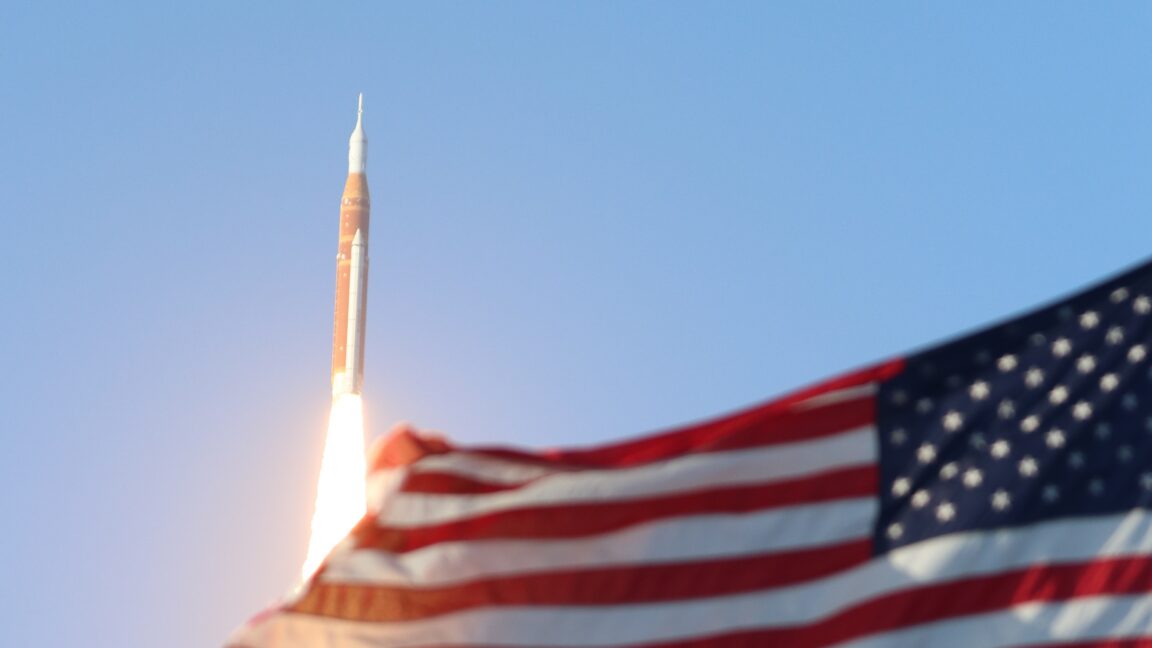
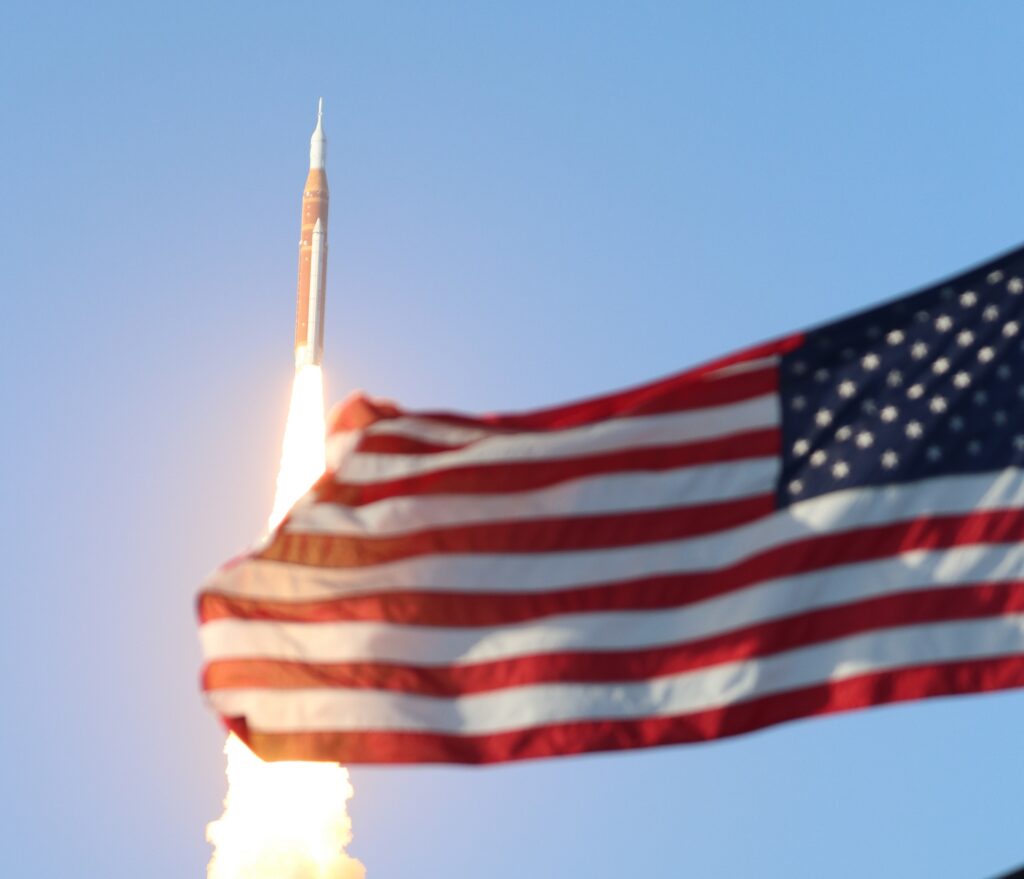
The 8.8 million pounds of thrust generated by the Space Launch System (SLS) rocket has officially restored the era of crewed deep space exploration. The Artemis II mission launched from the Kennedy Space Center in Florida, carrying a four-person crew—three Americans and one Canadian—toward the Moon. This marks the first time since the conclusion of the Apollo program in 1972 that humans have left low Earth orbit, utilizing the most powerful launch system in history, which surpasses the parameters of the legendary Saturn V rocket. Commander Reid Wiseman and astronauts Victor Glover, Christina Koch, and Jeremy Hansen will spend nine days in space. Although the mission does not involve landing on the lunar surface, the Orion spacecraft will perform a "free return" maneuver and travel to a record distance of 406,840 kilometers from Earth. A key element of the journey is testing life support systems and manual flight controls, which serves as the foundation for the landing planned for 2028 as part of the Artemis IV mission. For the creative technology and engineering sectors, this is a signal that the competition for space dominance, involving companies such as SpaceX and Blue Origin, is entering a decisive phase. The success of Artemis II proves that NASA's infrastructure is ready to transport humans to the farthest reaches of the system, paving the way for a permanent human presence beyond Earth's orbit. The next milestone will be the capsule's splashdown in the Pacific, scheduled for April 10.
On Wednesday at 6:35 PM EDT (22:35 UTC), humanity took its most decisive step toward deep space in over half a century. From the historic Launch Complex 39B at Kennedy Space Center in Florida, the Artemis II mission launched, carrying a four-person crew who will be the first since 1972 to leave low Earth orbit to head toward the Moon. This is not just a technology test, but a manifestation of NASA's ambitions in a new space race where the stake is a permanent human presence beyond Earth.
At the heart of the operation is the Space Launch System (SLS) — the most powerful rocket ever built for crewed spaceflight. Measuring 98 meters tall and powered by four liquid hydrogen RS-25 engines and two additional solid rocket boosters, it generated a staggering 8.8 million pounds of thrust at liftoff. This figure outclasses the legendary Saturn V rocket from the Apollo era, making the SLS the new king of heavy orbital transport.
Pioneering crew and a nine-day trial
Atop this colossus, in the Orion capsule, sit three Americans and one Canadian. The mission commander is Reid Wiseman, a 50-year-old Navy captain and experienced test pilot. Beside him in the cockpit are: pilot Victor Glover, mission specialist Christina Koch, and Canadian astronaut Jeremy Hansen. Their task is precisely defined: to test life support and maneuvering systems in real-world conditions before NASA attempts a landing on the surface of the Silver Globe.
Read also


The mission will last nine days and does not involve a landing — that stage will have to wait until the Artemis IV mission, currently planned for 2028. The current flight aims to verify the "free return trajectory," which uses the Moon's gravity as a slingshot to direct the spacecraft back toward Earth without using additional fuel. If everything goes according to plan, on Monday, April 6, the crew will be at a distance of 406,840 kilometers from our planet — further than any human in history.
Manual controls in the era of digital automation
One of the most critical elements of the Artemis II mission is the demonstration of rendezvous and proximity operations. Approximately three and a half hours after launch, after separating from the upper stage of the SLS rocket, Victor Glover will take manual control of Orion. Although the spacecraft is designed for autonomous flight, NASA requires pilots to be proficient in manually controlling all six degrees of freedom (translations and rotations).
This approach differs from the philosophy used in SpaceX's Crew Dragon spacecraft. As Glover noted, while SpaceX vehicles are designed to be as intuitive to operate as a video game, the Orion cockpit more closely resembles classic F/A-18 Super Hornet fighters, with physical rotational and translational controllers. Interestingly, due to the lack of a rangefinder on this specific mission, the astronauts will judge the distance from the rocket "by eye," using cameras and their own perception of the size of objects outside the window.
- Control systems: A hybrid of traditional physical controllers and modern digital interfaces.
- Crew task: Approaching the rocket's upper stage to a distance of just 10 meters to test the capsule's maneuverability.
- Safety: The crew serves as the "primary hazard avoidance system" during proximity maneuvers.
Risk inherent in the return to the Moon
NASA does not hide that Artemis II is a high-profile risk mission. Amit Kshatriya, NASA's deputy associate administrator, emphasized that a key checkpoint will be the verification of the life support system after launch stresses. If the parameters are not perfect, the agency is ready to abort the mission and bring the crew back to Earth before heading toward the Moon. "We will not risk a flight to the Moon if we are not confident in the systems' performance," Kshatriya stated.
After performing a loop around the Moon, Orion will re-enter Earth's atmosphere at a speed of approximately 25,000 miles per hour (7 miles per second). This is an extreme challenge for the heat shield, which must withstand the temperatures accompanying such rapid deceleration. The mission's finale — a splashdown in the Pacific Ocean off the coast of California — is scheduled for April 10. The success of Artemis II will pave the way for the construction of the Gateway station and collaboration with companies such as SpaceX, Blue Origin, and Axiom Space on landers and new lunar spacesuits.
One might get the impression that Artemis II is not just a technical test, but above all a political and strategic foundation for a new era of exploration. NASA, with a budget of 100 billion dollars invested in the Artemis program over the last two decades, currently finds itself in direct competition with China. The race for dominance at the lunar south pole has just entered its hottest phase. Artemis II is a signal that the era in which the Moon was merely a distant point in the sky is irrevocably ending — it is becoming the next stop for Earth's civilization.
More from Tech




Related Articles

After court loss, RFK Jr. gives himself more power over CDC vaccine panel
Apr 6
Steven Spielberg Still Wants to Make a Horror Film ‘Someday’
Apr 6New Jersey has no right to ban Kalshi's prediction market, US appeals court rules
Apr 6