Fewer UK adults posting on social media, Ofcom finds
Foto: BBC Tech
Just 49% of adult users actively post content on social media, representing a sharp decline from the 61% recorded a year earlier. The latest report from the regulator Ofcom indicates a clear shift toward "passive" online consumption—instead of public posts on Instagram or X, users are choosing direct messages (DMs) and closed discussion groups. This paradigm shift stems from a growing need for digital privacy and the fear that public statements could become a reputational liability in the future. While social activity is waning, the role of artificial intelligence is growing rapidly. The percentage of people using AI tools has risen from 31% to 54%, reaching as high as 80% in the 16–24 age group. Simultaneously, users spend an average of 4.5 hours a day online, which triggers feelings of guilt over excessive screen time in two-thirds of those surveyed. For creators and brands, these data serve as a wake-up call: platforms such as TikTok and Facebook are evolving from relational spaces into algorithmic entertainment services resembling television. Users are ceasing to feel like participants in a discussion and are becoming merely viewers, forcing a complete overhaul of engagement strategies in a world dominated by video and anonymous content consumption.
The era of carefree sharing of every aspect of life on social media is coming to an end. The latest data from the British regulator Ofcom sheds new light on how drastically our digital habits are changing. A phenomenon that until recently we considered the foundation of online existence—active participation in discussions, posting photos, or sharing content—is rapidly losing popularity in favor of passive consumption and tools based on artificial intelligence.
The statistics are ruthless: only 49% of respondents now declare active content publication on platforms such as Instagram, Facebook, or X. This is a massive drop compared to last year, when this figure stood at 61%. Instead of public declarations and open profiles, users are choosing "observer" mode, which experts interpret as a form of digital self-defense and fatigue from omnipresent exposure.
From exhibitionism to digital discretion
The decline in activity does not mean we are abandoning social media, but that we are becoming much more intentional within it. As industry expert Matt Navarra notes, a process of "digital self-preservation" is taking place. Instead of publishing posts visible to everyone, users are retreating into smaller, private spaces—group chats and direct messages (DMs). Social media is becoming less public, but paradoxically, it may gain authenticity in relationships that move to closed circles.
Read also

Another factor inhibiting our activity is the growing awareness of consequences. More and more adults are expressing concerns that what they publish today could become a burden in the future. Ofcom points out that for many people, posting online has ceased to be a form of expression and has begun to resemble managing potential legal or reputational liability. This is a fundamental paradigm shift—the internet has stopped being a safe playground and has become an archive that never forgets.

Dr. Ysabel Gerrard from the University of Sheffield suggests that we are dealing with profound digital fatigue. What was innovative and exciting in the mid-2000s—like uploading photos of lunch or text statuses—is simply banal today. Some young adults, longing for the "MySpace era," are even deciding to return to so-called dumb phones, simple phones without access to advanced applications, to disconnect from the information noise.
The expansion of AI and the twilight of authenticity
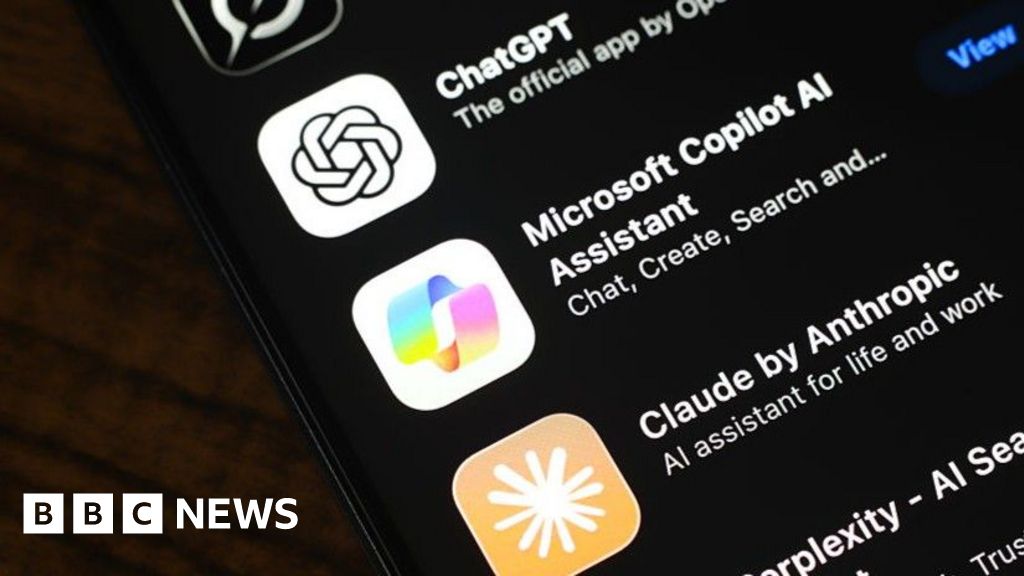
While our willingness to share our lives is decreasing, interest in new technologies is growing rapidly. The Ofcom report reveals a spectacular increase in the use of AI tools. In 2025, as many as 54% of adults declare using artificial intelligence-based solutions, which is a huge jump from the 31% recorded in 2024. This trend is driven mainly by young people—as many as 80% of those aged 16-24 and 75% in the 25-34 age group regularly reach for AI assistants.
- 54% of adults use AI tools (up from 31% a year earlier).
- 80% of users aged 16-24 declare regular contact with AI.
- 67% of respondents admit they spend too much time in front of a screen.
- The average time spent online by an adult is currently 4 hours and 30 minutes per day.
This paradox—we publish less, but spend more time online (31 minutes longer than during the pandemic in 2021)—results directly from the evolution of the platforms themselves. Meta or TikTok algorithms no longer promote content from our friends, but focus on short-form video formats from stranger creators designed to keep us in front of the screen as long as possible. Instagram Reels or micro-dramas on TikTok are turning social media into entertainment platforms, making them similar to modern television.
Spectators instead of participants
The transformation of social media into "one-stop-shops" for entertainment, as Ben Woods of Midia Research describes it, has social consequences. When platforms begin to resemble television, users naturally stop behaving like participants and start acting like spectators. This explains why general sentiment toward the internet is deteriorating. In 2025, only 59% of respondents believe that the benefits of being online outweigh the risks—a significant drop from 72% a year earlier.
"Social feeds are no longer really about your friends, they are algorithmic, video-first entertainment platforms" — Matt Navarra.
Platforms like YouTube and TikTok are becoming new content distribution hubs that once belonged to traditional broadcasters. Even Facebook is desperately fighting for attention, offering creators from other services high sums (up to $3,000) to publish content on their platform. However, for the average user, this professionalization of content means one thing: their private vacation photos stand no chance against polished algorithmic video, which further discourages any activity.
We are witnessing the end of the social media model as we have known it for the last two decades. The shift from open communication to passive consumption and private content distribution channels suggests that platforms will have to completely redefine the concept of "engagement." In a world dominated by algorithmic video and AI assistants, our role as amateur creators is fading, and social media is simply becoming a new, more addictive form of traditional broadcast media.