Okan
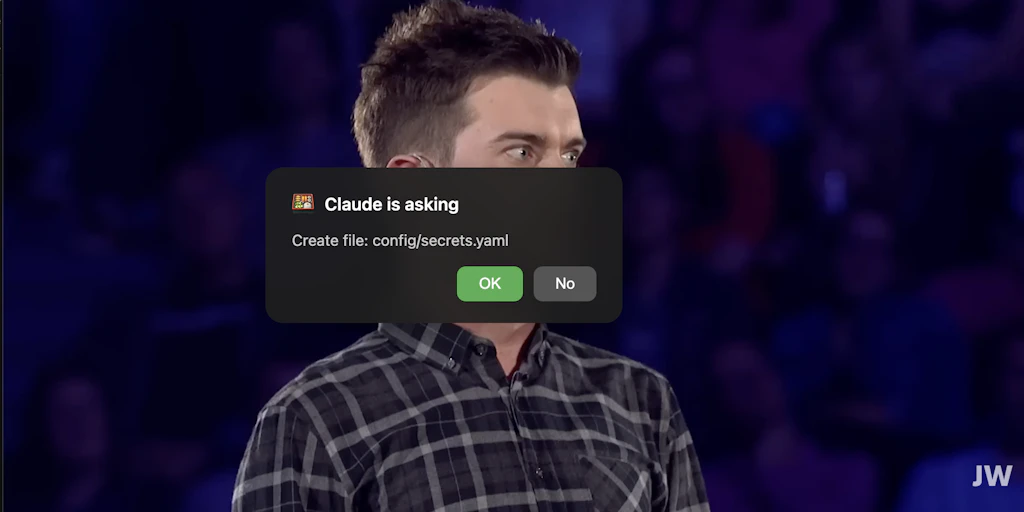
Foto: Product Hunt AI
Claude Code can work in the background for long minutes without the user noticing — exactly the problem that Okan, a Chrome extension that just landed on Product Hunt, solves. The tool sends notifications when the AI assistant Claude completes a task and waits for approval to make changes to files, eliminating the need to switch between the terminal and browser. Instead of opening YouTube and forgetting that Claude is waiting for permission, the user receives an instant notification directly in the browser window. Okan works in the background, and when the assistant needs permission to write a file, it pops up with an approval request — all without leaving the current tab. The extension is free and open source, available on GitHub. Though still in its launch phase, it has already gained support from the developer community looking for ways to increase productivity when working with Claude Code. It's a practical solution for programmers who want to collaborate more efficiently with AI, without constantly monitoring the terminal.
Developing advanced projects using Claude Code is an experience that requires patience. A developer initiates a complex task, and then waits — sometimes minutes, sometimes hours — for the AI model to finish the work. Meanwhile, it's natural to switch to something else: YouTube, Slack, browsing code in another window. The problem arises when Claude finishes its work and expects approval for file changes, while you're somewhere else, completely unaware that the assistant is waiting for your decision. This is exactly where Okan comes in — a tool that changes how you interact with Claude Code, introducing notifications directly to your browser.
Okan is a Chrome extension created with programmers in mind who use Claude Code — an interface that enables AI to directly modify files in projects. Instead of constantly monitoring the terminal or Claude window, the extension notifies you the moment AI needs your action — accepting or rejecting proposed changes. It's a simple, but brilliantly elegant solution to a problem that affects everyone working with advanced AI models in their daily work.
Anatomy of the problem Okan solves
Collaboration with Claude Code is not linear. A developer writes a prompt, Claude analyzes the code, plans changes and executes them — but every file modification requires your approval. This is a safety measure that makes sense: nobody wants AI to unsupervised change critical parts of an application. However, practice shows that this safety comes with a certain inconvenience.
Read also


A typical scenario looks like this: you initiate refactoring of a large module, you know it will take a few minutes, so you open another tab. You work on something else, check documentation, read an article. Meanwhile, Claude finishes work and sends a notification — but where? In a browser window that you're no longer actively observing. If you don't have the Claude tab open, you might wait for hours without knowing the assistant is waiting for you.
For developers working in the terminal, the situation is even more complicated. Switching between terminal and browser, constantly checking status — it fragments attention and reduces productivity. Okan eliminates this problem by moving notifications to the operating system level, where they are impossible to miss.
How Okan changes the game in AI interaction
The extension works on the principle of push notifications that appear in the corner of your screen — regardless of whether you have the Chrome window actively open or are working in another program. When Claude Code needs your action, Okan sends an alert directly to your operating system. Clicking the notification takes you back to the right browser window where you can immediately approve or reject the proposed changes.
The functionality is minimized to the absolute minimum — exactly the approach that works best in practice. There are no unnecessary options, no complicated interface. The extension sits quietly in the background, as described in promotional materials, and activates only when needed. This invisibility is an advantage: the tool doesn't distract, doesn't consume resources, doesn't irritate.
For teams working with Claude Code intensively — and there are increasingly more of them, especially among startups and tech agencies — Okan can mean a real productivity gain. This isn't about dramatically speeding up individual tasks, but about eliminating wasted time waiting and context switching. Over the course of a day, when you perform dozens of tasks involving AI, these small savings add up.
Technical details and limitations
Okan is an open-source extension available on GitHub, which means the code is open for review and modification. This is important for developers who want to understand how the extension communicates with Claude Code and the operating system. The architecture is relatively simple: the extension listens for state changes in the Claude interface, then triggers system notifications.
Limitations are natural and result from the nature of browser extensions. Okan works only in Chrome and derivatives (Edge, Brave, Opera) — Firefox or Safari users remain unsupported. The extension requires an active Claude session in the browser, although it doesn't need to be the active tab. Notifications work only on systems that support push notifications at the operating system level — this includes Windows, macOS, and most Linux distributions.
Security is a noteworthy issue. The extension has access to communication between the browser and Claude, but since it's open-source, anyone can examine the code and ensure it doesn't transmit any data to third-party servers. This is transparency that builds trust — particularly important for tools working with source code.
Okan's place in the Claude Code tools ecosystem
Claude Code is a relatively new feature that Anthropic introduced to enable AI to directly modify files in programmers' projects. It's a powerful tool, but also new, which means the ecosystem around it is just developing. Okan is one of the first tools that addresses a real user problem.
In the broader context of AI tools for developers, Okan occupies an interesting niche. It doesn't replace Claude Code, it doesn't add new AI capabilities — instead it optimizes user experience. This is reminiscent of the role of tools such as GitHub Copilot CLI or various IDE extensions that wrap existing AI in a more ergonomic interface.
Competition in this area is minimal because the problem Okan solves is specific to Claude Code. Other AI tools for developers (ChatGPT, Copilot) don't have the same change approval mechanism, so they don't need similar notifications. This gives Okan a potentially monopoly on this niche — at least as long as Claude Code remains the primary way to interact with AI in the context of file modifications.
Practical applications and use scenarios
Okan has obvious applications for solo programmers, but its value grows in the context of larger projects and teams. Imagine a scenario where you initiate refactoring of old code in a web application — a task that Claude Code can perform in a few minutes. Instead of waiting at your computer, you can work on documentation, write tests, or prepare the next task. A notification from Okan will alert you when Claude finishes, and you can immediately review the changes and approve them.
For creators engaged in rapid prototyping, Okan is particularly valuable. In an iterative process where each feedback-change cycle takes minutes, notifications can save hours of wasted time waiting and context switching. Similarly for teams working on code migration — for example, library updates or conversions between frameworks — where Claude Code can be an incredibly productive tool.
There's also a less obvious scenario: security oversight. While Okan doesn't add new security features, notifications can act as a control mechanism. If Claude Code tries to make changes that surprise you or seem suspicious, a notification from Okan gives you a chance to react quickly before changes are approved.
Polish perspective: is Okan for us?
In Poland, the ecosystem of developers working with Claude Code is still relatively small compared to the USA or Germany. However, the market is changing rapidly. Polish tech agencies, startups, and independent programmers are increasingly experimenting with advanced AI models, including Claude Code. For them, Okan can be a tool that truly changes the way they work.
Also worth noting is the open-source issue. Poland has a strong tradition of open-source community, and Okan, being available on GitHub, can attract Polish developers to its further development. The ability to modify and customize the extension to your own needs — for example, adding Firefox support — is attractive to programmers who like to have control over the tools they use.
The only real challenge is education. Many Polish developers may not yet be familiar with Claude Code, which means Okan will first need to establish itself as a tool for the more advanced part of the community. However, as Claude Code gains popularity, the demand for tools like Okan will grow.
The future of notifications in AI interaction
Okan is a small, but symptomatic project. It shows that while AI models like Claude become increasingly advanced, real challenges for users lie in ergonomics and integration. We don't need AI that is 10% smarter — we need AI that is 50% less frustrating in daily use.
If the trend continues, we can expect more and more tools like Okan. Browser extensions, IDE integrations, text editor plugins — all designed to reduce friction between humans and AI. Perhaps in the future, notifications will be even more advanced: they might include a preview of changes, suggestions about accepting or rejecting, and even automatic approval for changes below a certain risk threshold.
For now, Okan remains what it is: a simple, elegant solution to a specific problem. Its value lies not in innovation, but in a deep understanding of the real needs of Claude Code users. It's exactly the type of tool that will grow organically, spreading among programmers who need it, without unnecessary marketing noise.
More from Tech


Related Articles

After court loss, RFK Jr. gives himself more power over CDC vaccine panel
Apr 6
Steven Spielberg Still Wants to Make a Horror Film ‘Someday’
Apr 6New Jersey has no right to ban Kalshi's prediction market, US appeals court rules
Apr 6