Trump’s AI chief’s big Iran warning gets big time ignored

Foto: The Verge AI
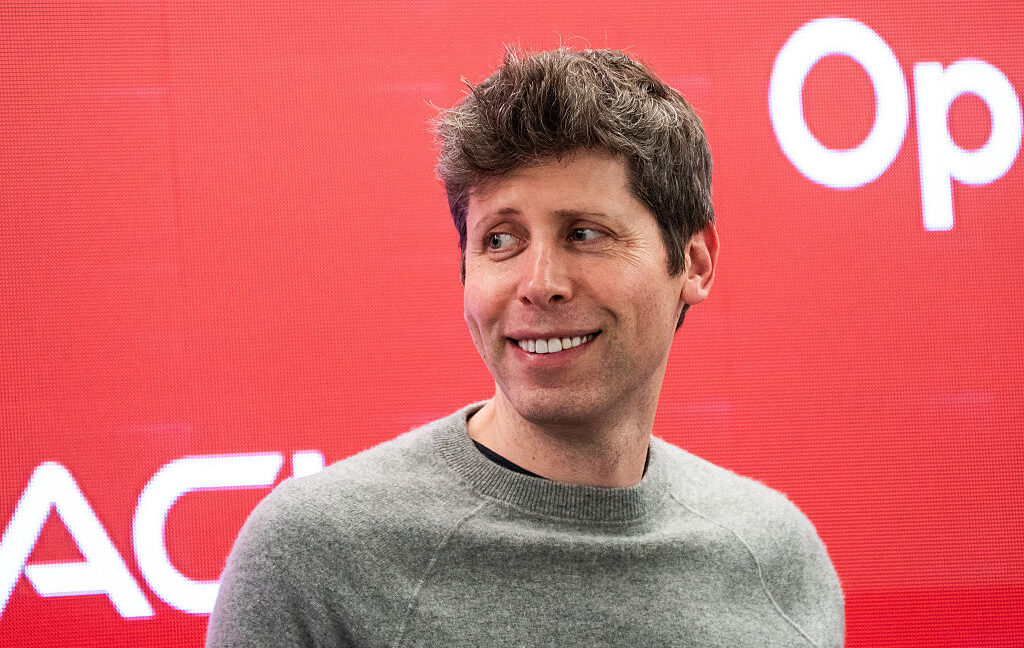
David Sacks, Trump administration's AI chief, publicly suggested to the president a withdrawal from war with Iran — a rare instance of opposing the chief's political line. On his All In podcast, he presented scenarios in which Iran attacks neighboring countries' oil infrastructure and desalination facilities for 100 million people, which could lead to a humanitarian catastrophe and potentially World War III. Sacks' warning was ignored, however. Trump continues operations against Iranian infrastructure, considers sending ground troops to Iran, and threatens invasion of Cuba. The president even claimed that Sacks had not discussed war with him — a typical tactic of diminishing critics. The situation demonstrates the limits of influence even of Trump's most influential advisors. Business leaders interested in market stability remain helpless against the president's whims, and the MAGA isolationist coalition feels betrayed. Neoconservatives, who once hated Trump, are now his only allies on the right supporting regime change in Iran.
When David Sacks, the billionaire head of artificial intelligence and cryptocurrency in the Trump administration, publicly suggested that the president find a way out of the war with Iran, few paid attention. This is a moment when technology policy comes into collision with geopolitical reality — and loses. History shows us that when business elites try to influence Trump on issues that don't directly concern his ego, they usually fall on deaf ears. This time, however, the stakes are higher than usual, because it's not just about political influence, but about the entire future of the technology industry in conditions of potential economic crisis.
Last Friday, when Sacks delivered his warnings on the All In podcast, seemed to be a breakthrough moment. Together with his co-hosts, he described scenarios that sounded like clauses from a crisis management manual — Iran ready to attack the oil and gas infrastructure of neighboring countries, threats to desalination plants that supply over 100 million people, bombings of Israel leading to potential nuclear conflict. Sacks called it a situation requiring immediate analysis and a search for a way out of escalation. It sounded reasonable, logical, like the voice of an experienced businessman who understands what chaos means for the economy and technology.
But Trump, being Trump, ignored this advice. Instead, he continued attacks on Iranian oil infrastructure, talked about sending ground troops to Iran, criticized NATO countries for lack of support, and for added drama, mentioned the possibility of invading Cuba. When reporters asked him about conversations with Sacks, the president responded that such dialogue never took place at all — a classic Trump move when he wants to distance himself from criticism. Sources from the White House with whom I spoke are pessimistic about Sacks' chances of having real influence on the president in this matter.
Read also


When technology oligarchs hit the limits of their power
What is happening with Sacks is symptomatic of a broader problem facing the entire technology industry in Trump's second administration. Each of his former allies, particularly those who don't work for him, has already touched the limits of their real influence. MAGA isolationists who believed in promises of non-intervention feel betrayed. Titans of industry who care about market stability are powerless against the president's whims. Even neoconservatives who once hated Trump now find themselves in his circle of advisors, because they are the only voices on the right demanding regime change in Iran.
For technologists, the situation is particularly complicated because, unlike the MAGA voter base, which supported Trump for ideological reasons, Big Tech has concrete, financial reasons for maintaining good relations with the president. Over the past year they have reaped significant benefits from close relations with the White House — antitrust investigations have been resumed, gaps in trade have been opened, favorable executive orders have been signed. Some observers speculate that technologists may even view the Iran situation as similar to a Venezuelan scenario in which they could benefit from seizing Iranian oil resources and therefore decided not to intervene.
But they missed something fundamental about Trump's psychology — something that reaches back to his relationship with Roy Cohn in the seventies. Trump doesn't like being humiliated by his opponents and always wants to take revenge twice as hard to break their spirit, regardless of long-term consequences. In America this manifests itself through lawsuits and legal actions, but sometimes takes more violent forms — just recall January 6 or ICE protests in Minnesota. Now he is trying to match a religious theocracy that declared holy war against the United States after Khamenei's death and possesses missiles. Rich technologists creating artificial intelligence have very little chance of changing the president's mind, especially as long as there are people on the right side of the political stage who are urging him to escalate.
Sacks on All In — when a safe space turns out to be an illusion
It was a risky move by Sacks. He was speaking on a podcast that he treats as a friendly, private space where he can be honest. But even if Sacks' words were directed at an audience he considered allies, there is no guarantee that Trump will be happy about the fact that he expressed opposition at all. History shows that Trump does not tolerate public criticism from people in his inner circle, regardless of context or intent. For him this is betrayal, and betrayal always requires payback.
The thing is, Sacks is no longer just a lobbyist or external advisor — he is a man who has direct influence on shaping the technology policy of the administration. His voice should carry weight. But in a system where the president makes decisions based on instinct, ego, and the influence of neoconservatism, even the most reasonable arguments can be ignored. This is a lesson for the entire industry: proximity to power does not guarantee real influence, especially when that influence means opposing the president's ambitions.
Cryptocurrencies await the Clarity Act — and it waits for a very long time
While Iran consumes the administration's attention, cryptocurrencies are fighting their own battle in Congress. Recently the CFTC and SEC issued guidance stating that most digital assets are not securities — this was an expected decision that could have brought relief to the industry. But there's a catch: these guidelines require Congress to pass laws that would make these changes permanent. The CFTC is already overloaded, and the Clarity Act — legislation aimed at solving this problem — is still waiting to be passed.
This is a classic move in technology policy — the government gives the industry what it wants, but only in the form of temporary, conditional relief. Real change requires Congressional action, and that means negotiations, compromises, and waiting. In the meantime, the cryptocurrency industry remains in a state of legal uncertainty, and its leaders must continue to lobby for legislation that should be obvious to anyone who understands technology.
Polymarket opens a bar — because monitoring the situation is now a business
In times when geopolitics is spiraling out of control, Polymarket decided to open a bar. The Situation Room — described as "the world's first bar dedicated to monitoring the situation" — will have everything needed to track global events: live streams from X, sports matches, and Bloomberg terminals. This is both genius and absurd — a bar as a tool for monitoring crisis.
But it also shows where technology has taken us. Speculation about future events has become a business. Predicting crises — whether wars or market movements — has become entertainment for the wealthy. Polymarket profits from people betting on the outcomes of geopolitical events, and now opens a bar so these people can do it in company, with drinks in hand. This is corporate dystopia in miniature — monetization of uncertainty.
Trump's administration and its internal contradictions
Trump's second administration is full of contradictions. You have technology oligarchs who want stability and predictability, but work for a president who is impulsive and capricious. You have isolationists who believed in "America First" without wars, but now observe escalation in the Middle East. You have neoconservatives who never believed in Trump, but now have access to the power they always wanted. This is a mixture that cannot end well.
For the technology industry, this means they must prepare for a scenario where their influence on the White House decreases and geopolitical instability increases. Wars destroy economies, and an economy in chaos is not good for any business, even for those who have access to the president. Sacks could say this on the podcast, but Trump didn't listen anyway. This is a warning for the entire industry.
What does this mean for Polish technology creators and companies
From the perspective of the Polish technology ecosystem, the situation in the United States has direct implications. Poland has a significant base of technical talent and companies engaged in artificial intelligence that export services to America. Instability in the Trump administration, particularly in the context of foreign policy, could affect foreign investment and venture capital funds, which typically come from the United States.
Moreover, if the United States becomes involved in a conflict in the Middle East, it could affect global supply chains, energy prices, and ultimately operating costs for technology companies around the world, including in Poland. The Polish AI industry should observe these developments not as foreign curiosities, but as potential threats to their business and growth.
A lesson for the future — when proximity does not equal influence
The story of Sacks and his ignored warning is an instructive lesson for anyone who thinks that proximity to power guarantees influence. In reality, when a president is interested in escalating conflict, when his neoconservative advisors whisper in his ear, and his ego is threatened by opponents, the voice of a businessman, even a billionaire, can be completely useless. Sacks tried to act reasonably, but reason doesn't always win against politics.
For the technology industry, this means they must prepare for scenarios where their influence on policy will be much less than they expected. They must also understand that sometimes the best they can do is accept that they cannot change the president's mind, and instead focus on protecting their business interests in conditions of uncertainty. In a world where technology oligarchs have access to the White House, but their advice is ignored, the question becomes: what is the point of that access?