Why Chinese tech companies are racing to set up in Hong Kong
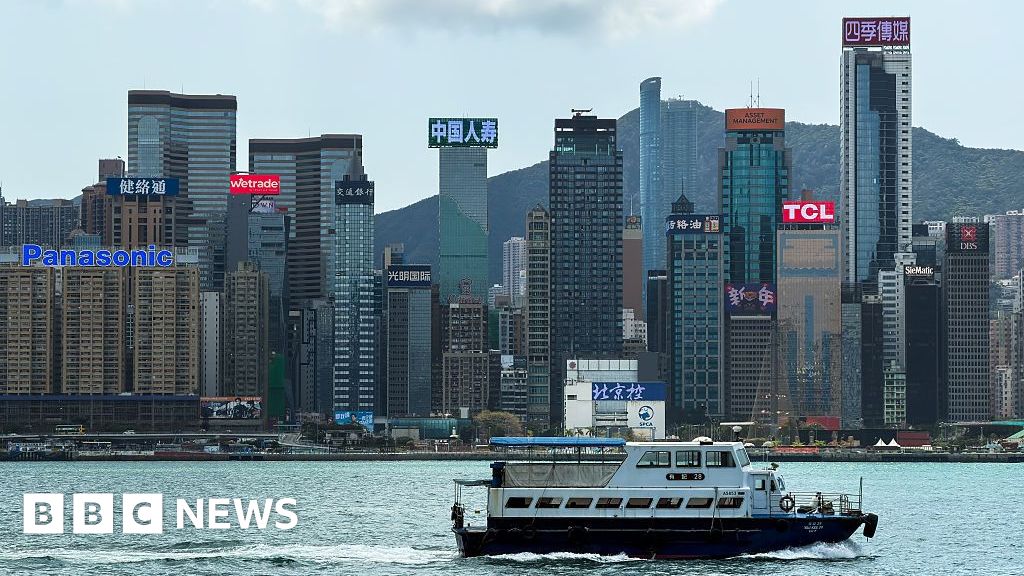
Foto: BBC Tech
The number of mainland Chinese companies debuting on the Hong Kong stock exchange surged by 153% last year, vividly demonstrating the scale of the domestic tech sector's exodus toward its international window to the world. In the face of rising geopolitical tensions and the phenomenon described as "China risk," giants such as Yunji and MiningLamp Technology are ceasing to view Hong Kong merely as a financial center, and are beginning to see it as a testing ground for global expansion. For AI developers and robotics manufacturers, the city has become a crucial "data compliance transfer station." It is here that companies test their products—from hotel robots to analytical software—against international standards and Western clients before risking entry into the rigorous markets of the US or Europe. Hong Kong offers a unique legal infrastructure that allows Chinese entities to build credibility and prove transparency in data management, which is currently the greatest barrier in the global technology trade. For users and investors worldwide, this means that Hong Kong is becoming a filter for quality and safety. Products that successfully pass verification in this region have a better chance of adaptation in global supply chains, offering innovation while maintaining required regulatory standards. Hong Kong is no longer just a stopover, but a strategic buffer that determines which technology from Asia ultimately reaches our homes and businesses.
Hong Kong as an incubator for global standards
For companies in the robotics and artificial intelligence sector, Hong Kong offers a unique testing environment. The city, home to international hotel chains and corporations, allows for the verification of technology under conditions that are much closer to Western standards than those prevailing in Shenzhen or Beijing. Vice President of **Yunji**, **Xie Yunpeng**, openly admits that success in Hong Kong is treated as a direct springboard for further international expansion. The company, which produces service robots for hospitals and factories, debuted on the Hong Kong Stock Exchange in October last year, seeking to diversify its investor base.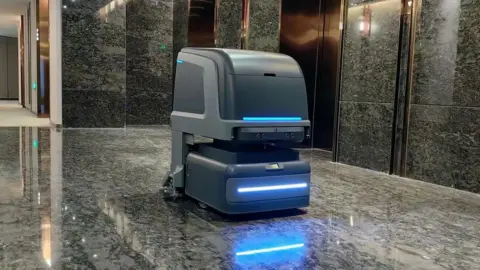
Escaping the geopolitical wind
Moving activities to Hong Kong is also a defensive move. As **Xiaomeng Lu** from **Eurasia Group** notes, dreams of debuting on the New York Stock Exchange have been brutally verified by "geopolitical headwinds." In the face of concerns about state espionage and China's excessive technological dominance, access to capital in the USA has become extremely difficult for many companies. Hong Kong, with its simplified flotation procedures and openness to global investors, is becoming the best, and often the only, alternative.- Growth in stock market debuts: A 153% year-on-year jump indicates a massive pivot away from Western markets in favor of the local trading floor.
- Institutional support: The agency **Invest Hong Kong** is recording record interest in support for establishing operations by companies from the innovation sector.
- Strategic role: Hong Kong fits into China's **15th Five-Year Plan**, which emphasizes technological autarky, particularly in the areas of semiconductors and AI.