DOGE goes nuclear: How Trump invited Silicon Valley into America’s nuclear power regulator
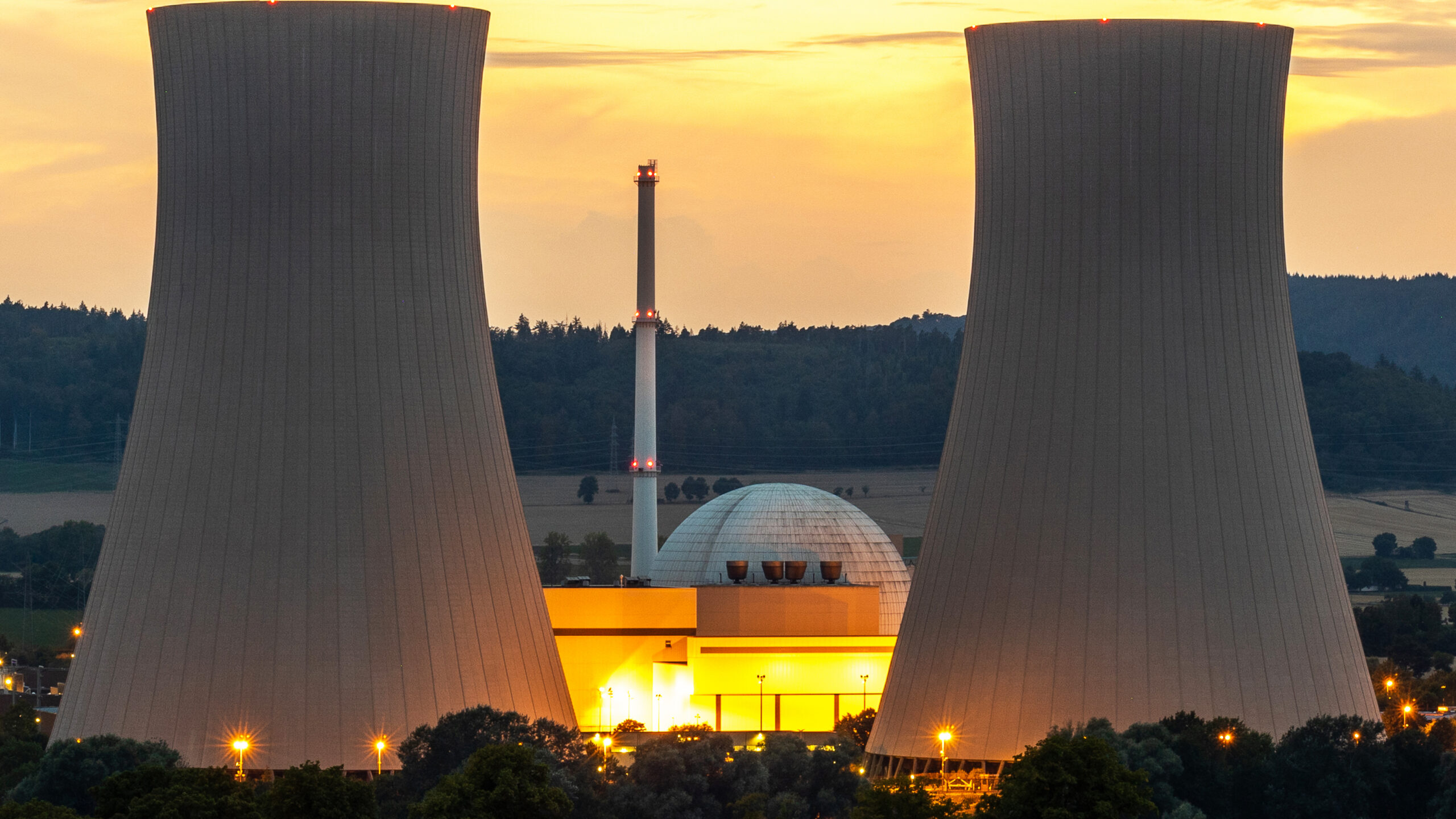
Foto: fhm
The rapid surge in energy demand for artificial intelligence has led to an unprecedented clash between Silicon Valley and the U.S. nuclear regulator. Under the auspices of the newly formed Department of Government Efficiency (DOGE), the Donald Trump administration is pushing a "move fast and break things" strategy in a sector that has been considered the most safety-conservative for decades. A key figure in these changes is 31-year-old lawyer Seth Cohen, who, despite having no experience in nuclear energy, has taken oversight of nuclear policy and is openly questioning the independence of the Nuclear Regulatory Commission (NRC). Reports indicate that during technical meetings, DOGE representatives downplayed risks associated with radiation exposure, prioritizing the deployment speed of new reactors over rigorous health standards. This pressure has resulted in a mass exodus of personnel—over 400 experienced experts have already left the NRC, raising concerns about the stability of the international "gold standard" for atomic safety. For technology users and the AI sector, this signifies a potential acceleration in energy infrastructure construction, but at the cost of dismantling existing regulatory barriers. If radical bureaucratic cuts lead to incidents, the entire nuclear industry could face a backlash, losing the public trust necessary for the global energy transition. The aggressive politicization of technical oversight calls into question the future transparency of certification processes for new nuclear technologies.
In the world of technology and high politics, there are rarely such violent clashes of cultures as the one we are currently observing in the American nuclear sector. The traditionally slow, rigorous, and obsessively safety-focused world of nuclear energy has just been exposed to the "move fast and break things" philosophy. Behind this change stands not only the new White House administration but, above all, a powerful lobby from Silicon Valley, which sees nuclear power as the only way to satisfy the insatiable appetite of artificial intelligence for electricity.
A key role in this process is played by DOGE (Department of Government Efficiency), a new advisory structure led by Elon Musk, which has de facto taken the reins of energy policy. The symbol of the new order has become 31-year-old lawyer Seth Cohen, who, without any experience in the nuclear industry, began dictating terms to experts with decades of seniority. His words: "Assume the NRC will do whatever we tell them," spoken during a meeting at the Idaho National Laboratory, have become a manifesto for the end of regulatory independence.
Silicon Valley takes over the reactors
Behind the radical change of course are specific names of billionaires from the venture capital sector, such as Peter Thiel and Marc Andreessen. Both are influential proponents of deregulation, and both have invested heavily in Advanced Nuclear startups. For them, the Nuclear Regulatory Commission (NRC) — an institution hitherto recognized as the global "gold standard" for nuclear safety — is not a guardian of the public good, but a bureaucratic brake on progress.
Read also


Silicon Valley's influence on appointments is unprecedented. Thiel personally vetted candidates for the Office of Nuclear Energy, and Andreessen co-created the new administration's payroll directly from Mar-a-Lago. The result? President Donald Trump, for the first time in history, dismissed NRC Commissioner Christopher Hanson simply because he vocally defended the agency's independence. This is a clear signal: loyalty to the White House vision is now more important than technical autonomy.
- Strategic goal: Quadrupling nuclear energy production to power AI data centers.
- Main players: Startups such as Valar Atomics, backed by venture capital.
- Method: Drastic simplification of licensing processes and reduction of oversight personnel.
Mass exodus of experts and erosion of safety
The actions of the DOGE team have sent shockwaves through the regulatory structures. Personnel data from the NRC and the Office of Personnel Management paint a picture of an institution in a state of decay. Since the start of the new term, more than 400 people have left the agency, mostly experienced engineers and lawyers with over 10 years of experience dealing with the safety of nuclear materials. At the same time, the recruitment process for new specialists has almost ground to a halt — in the first year of the new administration, only 60 people were hired, compared to nearly 350 the previous year.
Experts, such as former NRC head Allison Macfarlane, warn that the safety culture is directly threatened. The history of nuclear energy teaches that disasters like Fukushima were the result of "too close relationships" between the regulator and the industry (so-called regulatory capture). Meanwhile, new officials delegated by DOGE, such as Adam Blake or Ankur Bansal, come from the real estate and software industries, having no concept of reactor physics or radiation risks.
“They talked about fast-tracking all these new reactors and didn’t seem to care about the rules — they just wanted to carry out the White House’s wishes,” reports one NRC lawyer who resigned after a briefing with the new leadership.
Atomic sprint in the shadow of AI
The argument from supporters of the new approach is simple: the United States hasn't built a significant number of new power plants in decades, and the fleet of existing reactors is aging. To win the race for primacy in artificial intelligence, the country needs gargantuan amounts of cheap and stable energy that renewable sources cannot provide. According to deregulation proponents, the NRC was "frozen in time" and required a brutal shock to start operating at the pace of modern business.
However, the price of this haste could be high. During meetings in Idaho, Seth Cohen reportedly dismissed concerns about radiation exposure, joking about the population living in the test areas. Such an approach strikes fear into industry veterans who remember that since the Three Mile Island incident in 1979, the US nuclear sector has not recorded a major accident precisely because of ironclad regulatory discipline.
Work is currently underway to rewrite thousands of pages of safety regulations. The new guidelines are intended to allow for the testing of so-called advanced reactor designs in much less time and with less oversight. For Silicon Valley startups, it is an opportunity for billions in profits; for the administration, fuel for AI; and for critics, playing with fire, which in this industry does not forgive mistakes.
Transforming an independent regulator into a tool of economic policy is a process whose effects will reach far beyond the borders of one country. For years, the NRC set the standards for the entire world. If American nuclear oversight loses its credibility, global trust in nuclear energy as a safe alternative to fossil fuels will suffer. Silicon Valley's aggressive expansion into the nuclear sphere will lead to the creation of a new generation of reactors faster than anyone predicted, but it will come at the expense of institutional memory and procedures that were built over half a century.
More from Tech


Related Articles
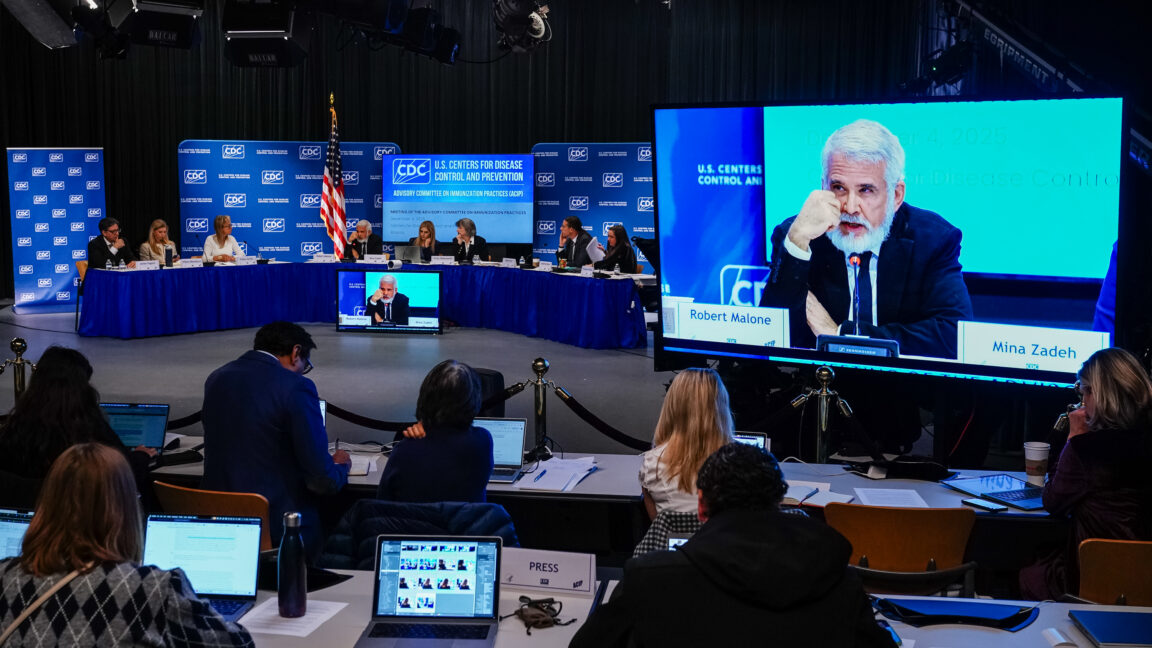
After court loss, RFK Jr. gives himself more power over CDC vaccine panel
Apr 6
Steven Spielberg Still Wants to Make a Horror Film ‘Someday’
Apr 6New Jersey has no right to ban Kalshi's prediction market, US appeals court rules
Apr 6