Even the ‘Avatar’ Fighting Game Is Disrespecting ‘Legend of Korra’
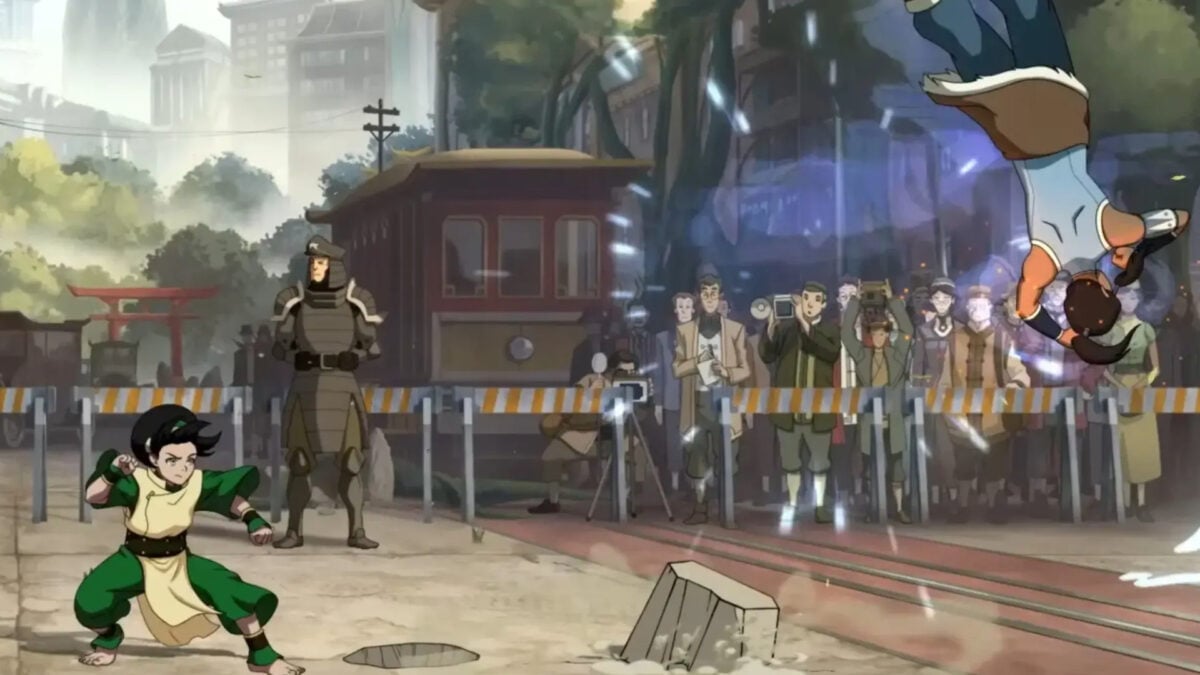
© Gameplay Group International/Nickelodeon
Only one character from "The Legend of Korra" has made it into the base roster of the upcoming fighting game Avatar Legends, sparking a wave of discussion among fans of the Nickelodeon universe. Following a series of closed tests, developers from Gameplay Galaxy International revealed the full list of 12 playable warriors, which focuses almost entirely on heroes from the original series, "Avatar: The Last Airbender." This decision is controversial, as the sequel to Aang's adventures possesses a rich array of unique characters with immense potential for the fighting game genre. For users and players worldwide, this means that the release scheduled for later this year may initially rely primarily on nostalgia for the first series, pushing the brand's newer legacy into the background. Although the roster includes iconic characters such as Aang and Zuko, the marginalization of the Korra era suggests that additional content and fans of the newer generation will have to wait for potential DLC expansions. Such a publishing strategy calls into question the balance between the two pillars of the franchise, forcing the community to accept that Avatar Legends is currently, above all, a tribute to tradition rather than a full-fledged merger of both eras. Focusing on safe, proven brands at the expense of roster diversity defines the launch of this production as a project aimed at the conservative segment of the fanbase.
The global community of gamers and fans of the universe created by Michael Dante DiMartino and Bryan Konietzko has been following reports about the upcoming fighting game Avatar Legends with a mix of anxiety and excitement for months. The production, developed by Gameplay Group International, was intended to be the ultimate tribute to both eras of elemental bending. However, the latest reports from closed tests and the official presentation of the starting character lineup have triggered a wave of frustration among lovers of Korra's adventures. Instead of the balance that the Avatars fought so fiercely to maintain, we have received a product that clearly favors nostalgia for "The Legend of Aang," pushing his successor to the distant margins.
The problem does not concern the combat mechanics themselves, which according to playtest participants look solid, but a fundamental lack of representation for one of the most important parts of the canon. In fighting games, where the roster (character lineup) is the backbone of the entire production, omitting key heroes from a specific era is not merely an oversight—it is a clear declaration of the developer's priorities. Avatar Legends launches with a very narrow group of warriors, which in an era of modern fighting games that accustom us to dozens of playable characters, seems like a risky decision at best.
Twelve slots that divide fans
Developer Gameplay Group International has officially confirmed that on launch day, Avatar Legends will offer a mere 12-character roster. This is a modest number even by indie game standards, and in the case of such a rich universe, it seems downright restrictive. Analyzing the revealed silhouettes, it is hard not to get the impression that the studio opted for the "safe" and most recognizable faces from the original series, The Last Airbender. Fans of Aang, Katara, or Zuko can rest easy—their favorites form the core of the production, receiving polished move sets and unique elemental bending mechanics.
Read also


The situation looks quite different when we look at the other side of the coin. For supporters of Legend of Korra, the presence of any character from that show on the starting list is described by testers almost as a "distinction" or an "honor" rather than a given. Such an approach is causing significant controversy, considering that the Korra series introduced entirely new fighting styles to the Avatar world, such as pro-bending or the dynamic use of metal, which would be perfectly suited for fighting game mechanics. Instead, players are receiving a product that, in its launch version, feels incomplete, ignoring the evolution of the world that took place over the four seasons of the sequel.

Mechanics versus nostalgia
From a technical standpoint, Avatar Legends has the potential to become a must-play title for fans of the genre. Gameplay Group International focused on precisely replicating combat systems based on the traditional martial arts that formed the foundation of the animation. Each of the 12 characters possesses a unique style that determines range, speed, and strike power. Unfortunately, this technical finesse is overshadowed by disparities in the game's narrative. The character selection for Avatar Legends seems dictated not by gameplay potential, but by pure marketing based on sentiment for the first series.
- Dominance of the Aang era: Most of the 12 available slots are occupied by heroes from the original trilogy.
- Marginalization of Korra: Characters from the newer era are treated as secondary additions rather than equal warriors.
- Release date: The game is set to debut later this year, suggesting that the current roster is largely finalized.
- Combat system: A high level of complexity in combos and environmental interactions using the elements.
It is worth noting that such an approach could negatively impact the so-called meta-game. Limiting the number of characters from Legend of Korra is not just an aesthetic or narrative problem, but primarily a lack of diversity in warrior archetypes. Characters like Lin Beifong or Zaheer would bring unique mechanics to the game (metal cables and advanced air acrobatics, respectively) that are absent from Team Aang's classic arsenal. By ignoring these possibilities, the developers are limiting the depth of their own production at the start.

DLC policy and the future of the roster
In today's video game industry, it is rare for the starting lineup to be the creators' final word. Everything indicates that Gameplay Group International plans a development model based on season passes and DLC additions. However, this raises further questions about publishing ethics. If the most important characters from Legend of Korra are cut from the base version of the game just to be sold later as paid content, the studio could face massive criticism from the community. Fans expect a game titled Avatar Legends to represent the entire legend, not just its first chapter.
In a world where games like MultiVersus or Smash Bros. offer giant lineups of heroes from different eras, Avatar Legends with 12 characters looks like a product tailored for a very specific, nostalgic target audience, ignoring the younger generation of fans.
The lack of balance in Avatar Legends is a symptom of a broader phenomenon in the entertainment industry, where safe brands and proven formulas win over innovation and the full spectrum of available source material. Although technically the game may turn out to be a hit, for many it will remain merely an "Aang fighting game" rather than a full-fledged tribute to the entire universe. The decision to almost entirely omit the Korra era on launch day is a blow to fans who hoped they would finally be able to fight as their favorite, relentless Avatar in a modern setting.
It can be assumed that Avatar Legends will become a platform that fills these gaps over time; however, you can only make a first impression once. Concentrating on 12 characters given the enormous potential of the world is a defensive decision. The developers are prioritizing animation quality and balance, which is commendable, but they are doing so at the expense of the richness of the world they promised to bring to screens. If the launch does not bring surprises in the form of hidden heroes, Avatar Legends will enter the market as a solid but incomplete story of elemental power, in which Korra was left without a seat at the main table.
More from Tech


Related Articles
After court loss, RFK Jr. gives himself more power over CDC vaccine panel
Apr 6
Steven Spielberg Still Wants to Make a Horror Film ‘Someday’
Apr 6New Jersey has no right to ban Kalshi's prediction market, US appeals court rules
Apr 6