Newly purchased Vizio TVs now require Walmart accounts to use smart features
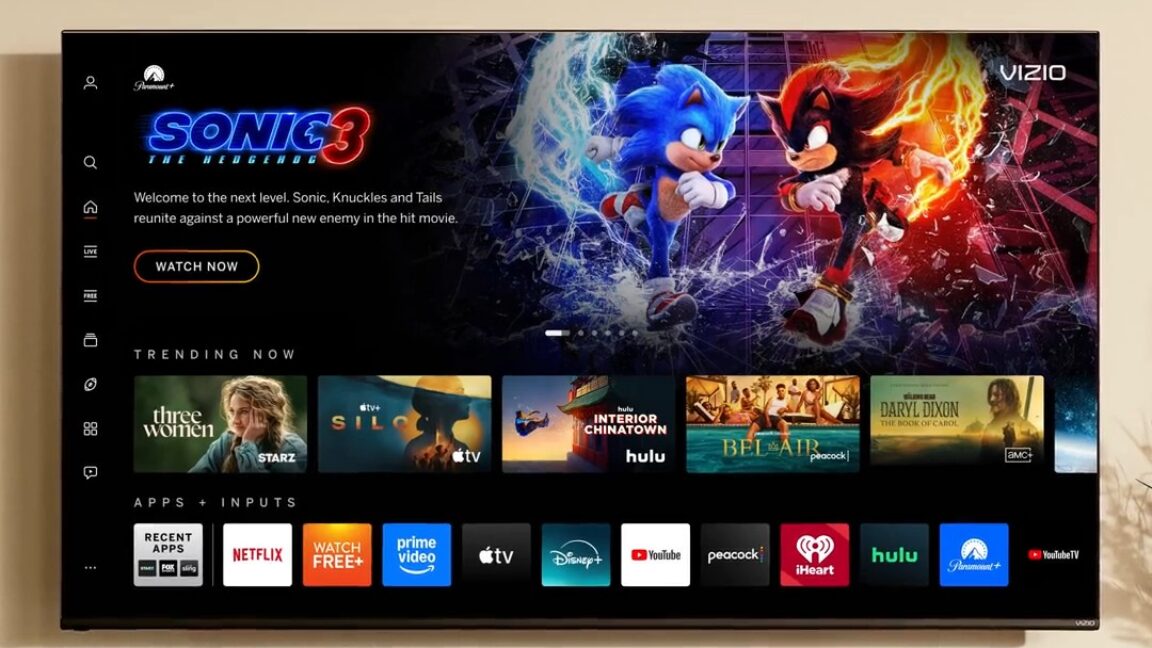
Foto: Vizio
A television without an active grocery store account may soon become a useless piece of furniture. Walmart, which acquired the Vizio brand in December 2024, has officially confirmed that selected new receiver models now require a Walmart account to complete the onboarding process and use Smart TV features. Although Vizio previously mandated the creation of its own profiles for data collection and ad personalization, integration with the retail giant's ecosystem takes control over home devices to an entirely new level. For users, this represents another barrier to accessing purchased equipment. Those who already have a Vizio account can link it to a Walmart profile; however, refusal necessitates the deletion of the existing profile and the potential loss of access to the device's smart functions. Company representatives have not yet specified which exact models are covered by the new policy, but industry experts expect this requirement to be extended to all Vizio OS devices via software updates. The practical implications are clear: the television ceases to be an autonomous device and becomes an extension of a loyalty database, where access to streaming or applications is conditioned on sharing shopping data with the corporation. This is a clear signal that in the era of modern displays, the product is no longer the hardware itself, but the behavioral profile of its owner.
The line between consumer electronics and advertising platforms has finally blurred. The retail giant that acquired the Vizio brand in December 2024 has just made a move that redefines the concept of device "ownership." Newly purchased televisions of this brand now require an active Walmart account to even allow the user access to smart features. This is no longer just a matter of convenience or personalization, but a hard operational requirement that presents the consumer with a simple choice: either log into the retail ecosystem or be left with an expensive monitor stripped of key functionalities.
This decision is a direct consequence of the acquisition of Vizio by Walmart and represents the realization of a strategy based on directly linking streaming habits with retail interaction. For the corporation, the television has ceased to be a device for displaying images and has become a shopping terminal designed to generate precise customer profile data. The requirement to have a Walmart account during the onboarding process is a mechanism intended to shorten the distance between viewing an advertisement and adding a product to the cart in the store's application.
Account integration as the foundation of a new business model
Since 2024, Vizio had required a dedicated Vizio Account, arguing it provided access to "exclusive offers, subscription management, and personalized support." In reality, these accounts formed the backbone of the company's business model, which was largely based on selling advertising space and tracking user activity within the Vizio OS system. Now, under Walmart's rule, this structure is being absorbed by an even larger database organism.
Read also


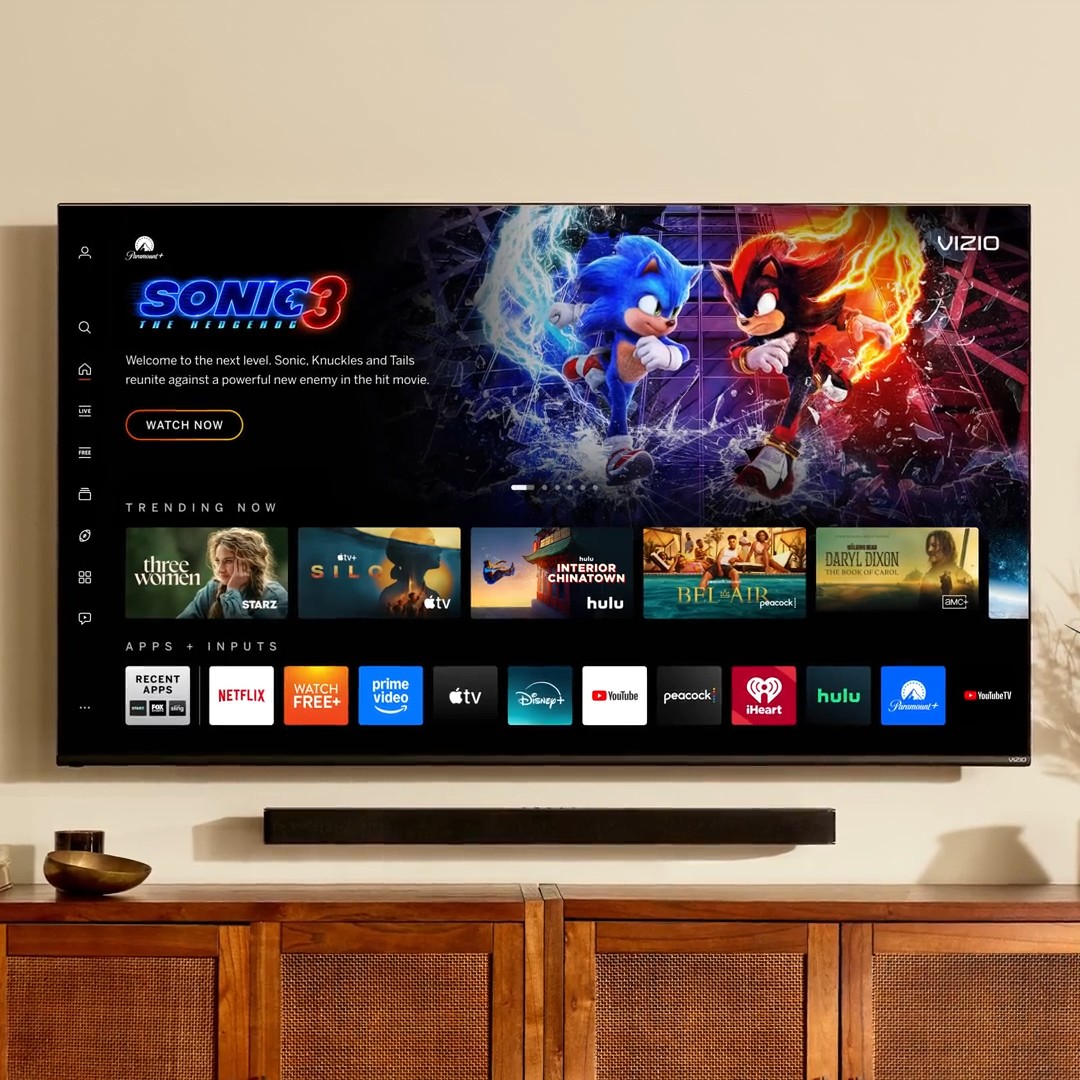
A Walmart spokesperson confirmed in an interview with Ars Technica that accounts will be mandatory on "select new TVs with Vizio OS." Although the company has not yet specified the full list of models covered by this change, the operating mechanism is clear: without logging into Walmart services, the user will not complete the initial setup process. For people who already own devices of this brand, a migration path has been prepared – they can link their existing Vizio accounts with Walmart accounts or opt to delete the profile, which, however, involves the loss of smart functionality.
- Mandatory onboarding: No possibility to skip the Walmart login during the initial setup of selected models.
- Data fusion: The ability to combine viewing history with purchase history in physical and online stores.
- Vizio OS as a platform: Using the operating system for aggressive ad targeting based on consumer behavior.
Privacy in the shadow of commercial synergy
Walmart representatives assure that the integration has been designed with respect for consumer privacy, and data is used in an "aggregated, consented, and compliant manner." However, specific technical details are lacking regarding how deeply the TV's operating system will interfere with the privacy of household members. In the tech industry, the term "aggregated data" often serves as a safe umbrella for extensive behavioral profiling, which is extremely valuable to advertisers.
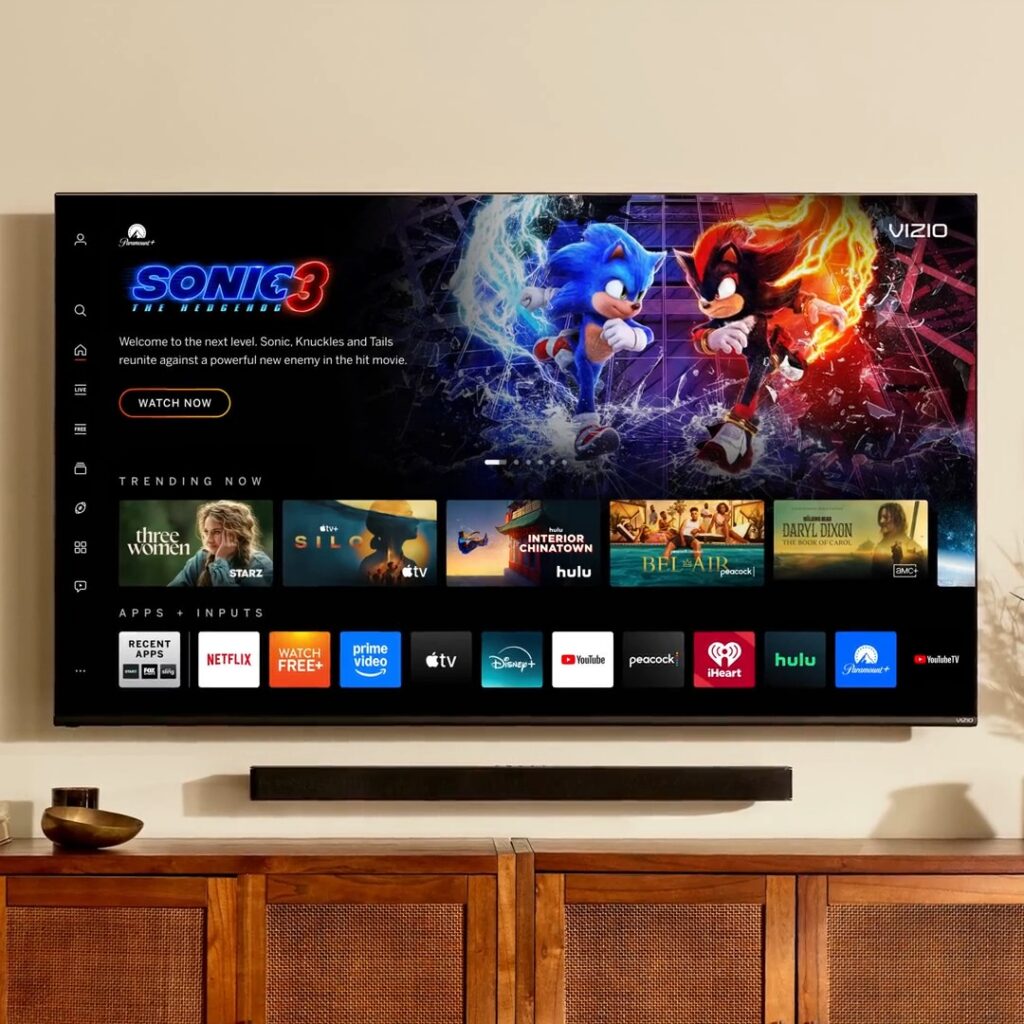
Market analysts predict that this is just the beginning. There is a high probability that the requirement for a Walmart account will be extended to all Vizio OS devices, including those purchased earlier, via firmware updates. This strategy allows Walmart to create a globally unique 360-degree customer profile, where data about what we buy at the supermarket is cross-referenced with information about what series we watch in the evenings.
For the end user, this means further erosion of hardware autonomy. When buying a TV, we are increasingly less likely to be paying only for components and display technology, and more often becoming a product in a "hardware-as-a-service" model. If the trend started by Vizio and Walmart continues, it may soon become standard to require an account with a logistics or retail operator just to be able to change the channel or launch a streaming app.
The television as a loyalty terminal
Walmart's move is a logical step toward monetizing viewer attention. In a world where margins on electronic hardware itself are minimal, the real profits are generated by the service ecosystem. For years, Vizio built its position not only as a manufacturer of cheap and solid panels but, above all, as an efficient data broker. The takeover by Walmart has only accelerated this process, giving the corporation a tool to directly influence purchasing decisions in real-time.
It is worth noting that Walmart is not the only player in this field, but it is the first to so aggressively force a retail account login on a Smart TV device. Other manufacturers, such as Samsung or LG, also promote their own accounts and advertising systems; however, until now, they have rarely blocked the basic functions of the device in the absence of a login to services external to the hardware manufacturer. Vizio, under Walmart's wing, is setting a new, controversial boundary in the AdTech sector.
In the coming months, it will be crucial to observe how the market reacts to this change. If Vizio sales do not drop drastically, we can expect other retail giants to follow the same path. The television in the living room is finally ceasing to be a private window into the world of culture and is becoming an interactive storefront that not only observes us but also requires us to identify ourselves with a customer card every time we turn it on. The era of "clean" hardware without hidden obligations to advertising ecosystems seems to be passing irretrievably, and the case of Vizio is the most glaring example of this.
More from Tech



Related Articles

After court loss, RFK Jr. gives himself more power over CDC vaccine panel
Apr 6
Steven Spielberg Still Wants to Make a Horror Film ‘Someday’
Apr 6New Jersey has no right to ban Kalshi's prediction market, US appeals court rules
Apr 6