Turns out your coffee addiction may be doing your brain a favor
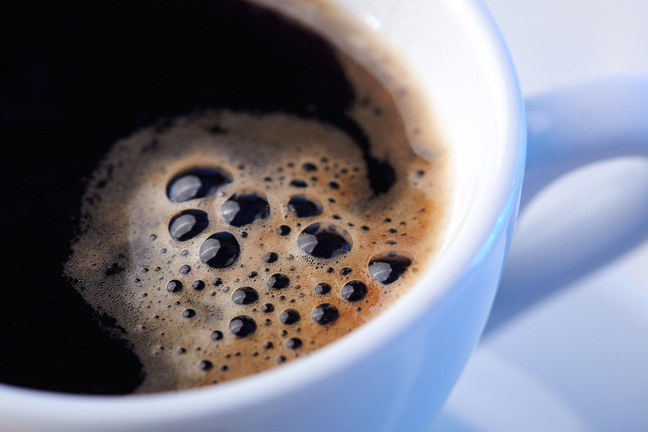
Foto: The Register
Eighteen percent – that is how much lower the risk of dementia is for individuals who regularly consume moderate amounts of caffeine. The results of a 43-year study conducted by Mass General Brigham on a group of over 130,000 participants shed new light on the impact of coffee and tea on human brain health. Data analysis from the Nurses' Health Study and the Health Professionals Follow-Up Study revealed that optimal cognitive benefits are achieved by consuming two to three cups of these beverages per day. Individuals adhering to this pattern not only developed neurodegenerative diseases less frequently but also achieved better results in cognitive tests and reported memory problems less often. Although researchers note that the study is observational and does not prove a direct cause-and-effect relationship, the potential mechanisms of action are promising. Caffeine may improve blood flow, reduce inflammation, and positively influence neuronal signaling. For users worldwide, this is a signal that a daily routine can serve as a form of long-term support for mental health. Instead of seeking complex biohacking methods, it is worth prioritizing consistency in moderate caffeine consumption, which appears to be an ally in maintaining intellectual fitness in old age. In this case, regularity in caffeine intake means significantly more than incidental high doses.
In the world of technology and biohacking, we often look for complex solutions to optimize our brain's performance – from nootropics to advanced sleep monitoring systems. Meanwhile, the latest data suggests that one of humanity's oldest and most common rituals may be the most effective tool in the fight against neurological regression. Mass General Brigham has published the results of an analysis that sheds new light on the link between caffeine and brain structure, proving that morning coffee is more than just fuel for the IT sector.
The study, covering an impressive period of over four decades, provides hard evidence that regular caffeine consumption correlates with better gray matter condition. Researchers analyzed data from more than 130,000 participants, making this project one of the most comprehensive in the history of lifestyle and cognitive health research. The results are clear: individuals who stuck to moderate coffee or tea consumption showed an 18 percent lower risk of developing dementia compared to a control group avoiding these beverages.
The Golden Mean of Caffeine Efficiency
The key to success, however, is not unlimited espresso consumption during late-night coding sessions, but consistency and moderation. Data from the Nurses' Health Study and the Health Professionals Follow-Up Study indicate that optimal cognitive benefits are achieved by those consuming two to three cups per day. It was this "middle lane" of consumption that proved most effective in maintaining memory performance and the speed of thought processes in aging patients.
Read also


It is worth noting that this study was not based on short-term laboratory tests, which often yield distorted results. For 43 years, dietary habits, cognitive performance, and clinical diagnoses were monitored. In the study group, 11,033 cases of dementia were recorded, allowing for the creation of a precise statistical model. Participants in the "moderate" group not only developed neurodegenerative diseases less frequently but also achieved better results in cognitive tests, reporting fewer subjective memory problems.
- Dementia risk reduction: 18% lower probability of symptoms occurring.
- Optimal dose: 2-3 cups of coffee or tea per day.
- Study scale: 43 years of observation on a group of 130,000 people.
- Key benefits: better long-term memory retention and processing efficiency.
Mechanisms Hidden in the Cup
Although the study is observational and does not establish a direct cause-and-effect relationship, scientists point to specific biological mechanisms that may be behind these results. Caffeine is not just a stimulant blocking adenosine receptors; its impact on the body is much deeper. Previous analyses have linked regular caffeine intake with improved blood flow in cerebral vessels and a reduction in inflammation within the nervous system.
From a neurological perspective, caffeine affects brain signaling in a way that may protect neurons from premature degradation. There is also a hypothesis that habitual coffee drinkers lead a specific lifestyle conducive to brain health – from more frequent social interactions to a regular daily rhythm. Nevertheless, with such a large study sample and such a long observation period, it is difficult to ignore the fact that caffeine remains the common denominator for individuals with "younger" brains.
"The data suggests that moderate caffeine consumption may act as a kind of buffer for cognitive functions, helping to maintain the integrity of neurological systems for a significantly longer time than earlier models of aging assumed."
Brain Architecture and Daily Routine
For the technology industry, where intellectual fitness is the primary capital, these reports have a practical dimension. Caffeine has long been the unofficial fuel for engineers and creators, but now it is gaining the status of scientifically justified support for long-term performance. It is no longer just about surviving a morning meeting, but about protecting gray matter over decades of professional activity.
The study's limitations are typical for this type of analysis – socioeconomic factors or general diet can influence the final picture. However, the strength of this compilation lies in its massive scale. In an era of searching for expensive supplements and experimental therapies, it turns out that a widely available alkaloid may be one of the best-studied and safest neuroprotectors at our disposal.
My perspective: These results definitively end the era of viewing coffee as a "guilty pleasure" or a harmful habit. In a world dominated by digital noise and an increasing pace of work, caffeine appears as a stabilizer. I predict that in the coming years, we will see a shift toward "functional consumption" of caffeine, where precise dosing for neurological protection will become a standard element of mental work hygiene, displacing unproven and risky biohacks.
More from Industry
Broadcom agrees to expanded chip deals with Google, Anthropic
OpenAI asks California, Delaware to investigate Musk's 'anti-competitive behavior' ahead of April trial
Hope for a U.S.-Iran deal, Apple's anniversary, OpenAI's podcast deal and more in Morning Squawk
AI data center boom ‘stress tests’ insurers as private capital floods in
Related Articles

The Ridiculously Nerdy Intel Bet That Could Rake in Billions
Apr 6
Researchers didn’t want to glamorize cybercrims. So they roasted them
Apr 5
AI agents promise to 'run the business,' but who is liable if things go wrong?
Apr 5