Ditch

Foto: Product Hunt AI
As much as 80% of creative processes in modern design studios can be automated thanks to a new wave of tools based on generative AI. The latest data indicates that the transition from traditional software suites to AI ecosystems is no longer just a choice, but a market necessity dictated by a drastic reduction in production time. Multimodal models are becoming key players in this transformation, allowing for the instantaneous generation of high-quality visual assets directly from text prompts, eliminating tedious hours spent on manual editing. For professionals in the creative tech industry, this signifies a fundamental shift in the working model: from technical executor to curator and vision director. The practical implications are clear—the barrier to entry for professional design and video production is lowering, forcing experienced creators to redefine their competencies. Global markets increasingly reward the ability to efficiently direct algorithms over proficiency in complex legacy software interfaces. In an era of instantaneous content generation, the greatest value lies in unique concepts and the ability to critically select AI-delivered results, which translates directly into project profitability on a global scale. The race for dominance in the new digital workflow has entered a phase where tool flexibility is becoming more important than loyalty to specific software brands.
In a world dominated by recommendation algorithms that increasingly trap us in filter bubbles, Ditch emerges — a tool that challenges the traditional way of consuming digital content. The tech industry has been struggling for years with the problem of information overload, and current solutions, instead of helping with selection, often amplify the chaos through endless data streams. Ditch enters the market with a clear mission: to simplify the process of discovering valuable discussions and links, eliminating the noise that has become an inherent part of the modern internet.
Analyzing the architecture of Ditch, one can notice a departure from complex interfaces in favor of raw functionality. The tool focuses on two pillars: Discussion and Link. This binary approach to data structuring suggests that the creators have identified the biggest pain point for users — the difficulty of separating substantive debate from pure information sources. In the era of expanding Large Language Models (LLMs) that generate vast amounts of text, having a platform capable of precisely pointing to where real human interaction takes place becomes a critically important asset for researchers, developers, and digital creators.
Data structure as an answer to information chaos
The key to understanding the Ditch ecosystem is the way the platform categorizes incoming information. Instead of multi-level tags and vague categories, the system relies on a simple division. The Discussion section serves as an aggregator for the exchange of thoughts, opinions, and analyses, while Link serves as a direct reference to source materials, documentation, or articles. This dichotomy allows the user to instantly switch between "learning" mode and "social analysis" mode. In practice, this means reducing the time needed to get to the heart of a given issue by several dozen percent compared to traditional search engines or social platforms.
Read also



It is worth noting the technical aspects of implementing such a solution. Ditch does not try to be another internet archive. Instead, it acts as an intelligent filtration layer that overlays existing web resources. Thanks to this, Ditch avoids the problem of "dead links" and outdated discussions, which are the bane of older aggregators. The system prioritizes timeliness and the relative weight of interactions, which is essential in the context of rapidly developing AI technologies to keep up with the pace of publishing new libraries and frameworks.
Efficiency in the age of content surplus
For professionals in the creative and technology sectors, Ditch is becoming a "first-stop" work tool. Instead of searching through dozens of browser tabs, the user receives a condensed view of what is important. Data integrity in Ditch is based on precise mapping of the relationship between a specific resource (Link) and the context in which it is discussed. This approach redefines the concept of content curation — it is no longer imposed by editors but stems from the natural gravity of the most valuable threads on the web.
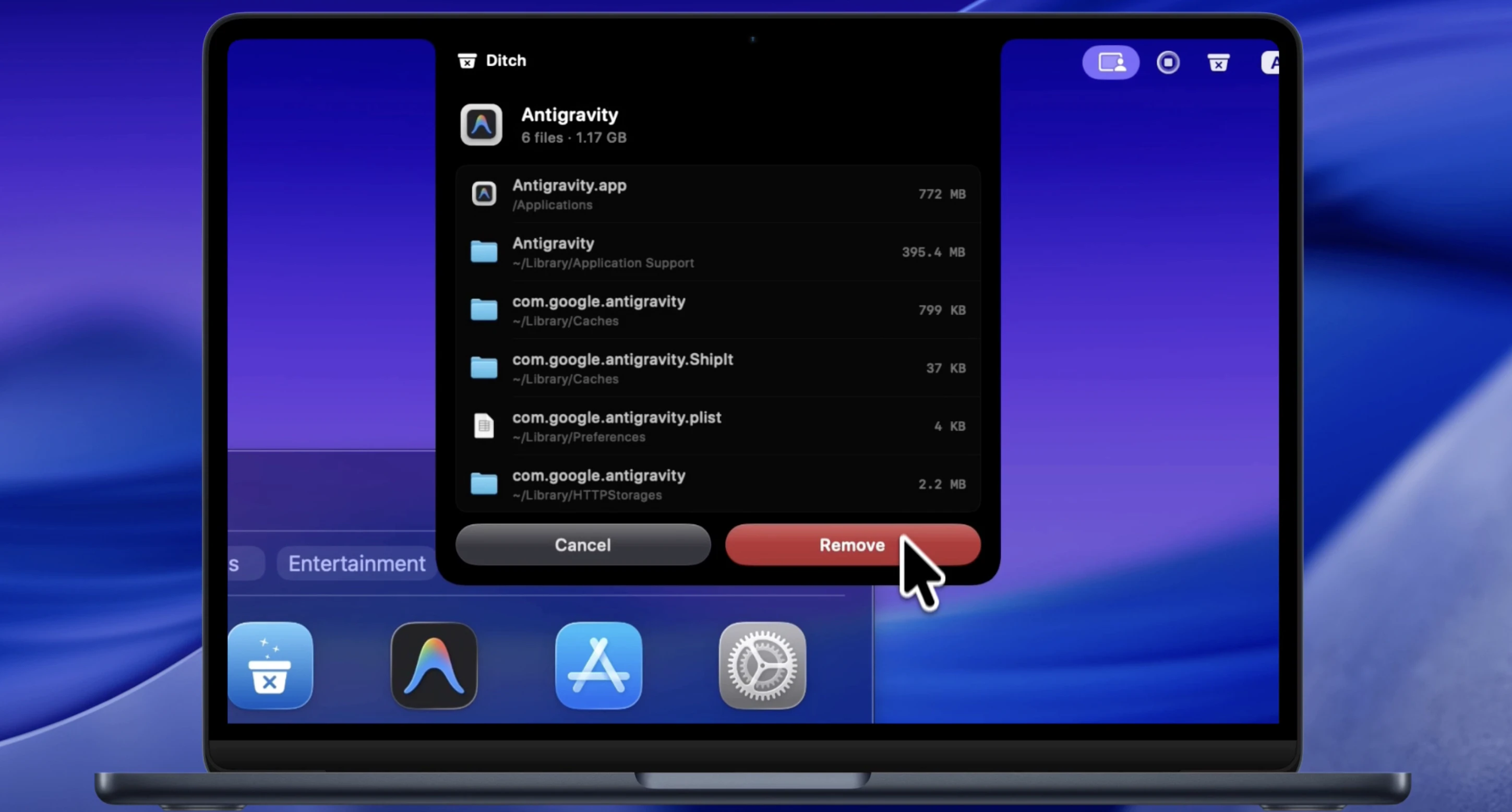
The limitations of traditional search methods become increasingly apparent when we need to verify the reliability of a new technology. Ditch solves this problem by exposing the Discussion section directly next to the source. Consequently, when seeing a link to a new AI model or SaaS tool, we immediately have insight into what the expert community thinks about it. This shortening of the feedback loop is crucial for optimizing decision-making processes in tech companies, where every minute spent on incorrect analysis generates real costs.
A new paradigm for web navigation
The introduction of Ditch to the productivity tools market suggests a broader trend: a move away from "everything-ism" towards high specialization. Platforms like Reddit or Twitter (X) have become too noisy to serve as effective sources of technical knowledge without advanced filtering. Ditch takes over this role, offering an environment free from ads, distractors, and algorithmic reach manipulation. The focus on the pure Discussion | Link format is a declaration of belief that end users value their time more than endless feed scrolling.
From the perspective of the Pixelift editorial team, Ditch fits into the "conscious tech" movement — technology that is aware, does not fight for every second of our attention, but strives to be maximally useful in the short time we use it. The implementation of protocols ensuring fast rendering and instant access to links makes this tool exceptionally responsive, which is the standard expected by today's creative industry. It is not just another bookmark manager, but rather an operating system for our intellectual curiosity.
The direction of digital curation development
Observing the evolution of tools like Ditch, one can hypothesize that the future of the internet does not belong to powerful search engines operating on big data, but to precise navigators operating on "smart data". The ability to quickly extract a Link from the thicket of irrelevant information and assign it a substantive Discussion is the foundation of new work hygiene on the web. As AI generates more and more synthetic content, platforms that verify value through human interaction and source verifiability will gain importance.
Ditch bets on simplicity, which for many may seem ascetic, but in reality, it is the result of a deep understanding of the psychology of deep work. By eliminating unnecessary elements, the creators give users control over the knowledge acquisition process. In a world where "more" rarely means "better", Ditch proves that a radical reduction of features can be the greatest innovation we need in 2024. It is a tool for those who have stopped looking for entertainment and started looking for concrete answers.
More from Tech



Related Articles

After court loss, RFK Jr. gives himself more power over CDC vaccine panel
Apr 6
Steven Spielberg Still Wants to Make a Horror Film ‘Someday’
Apr 6New Jersey has no right to ban Kalshi's prediction market, US appeals court rules
Apr 6